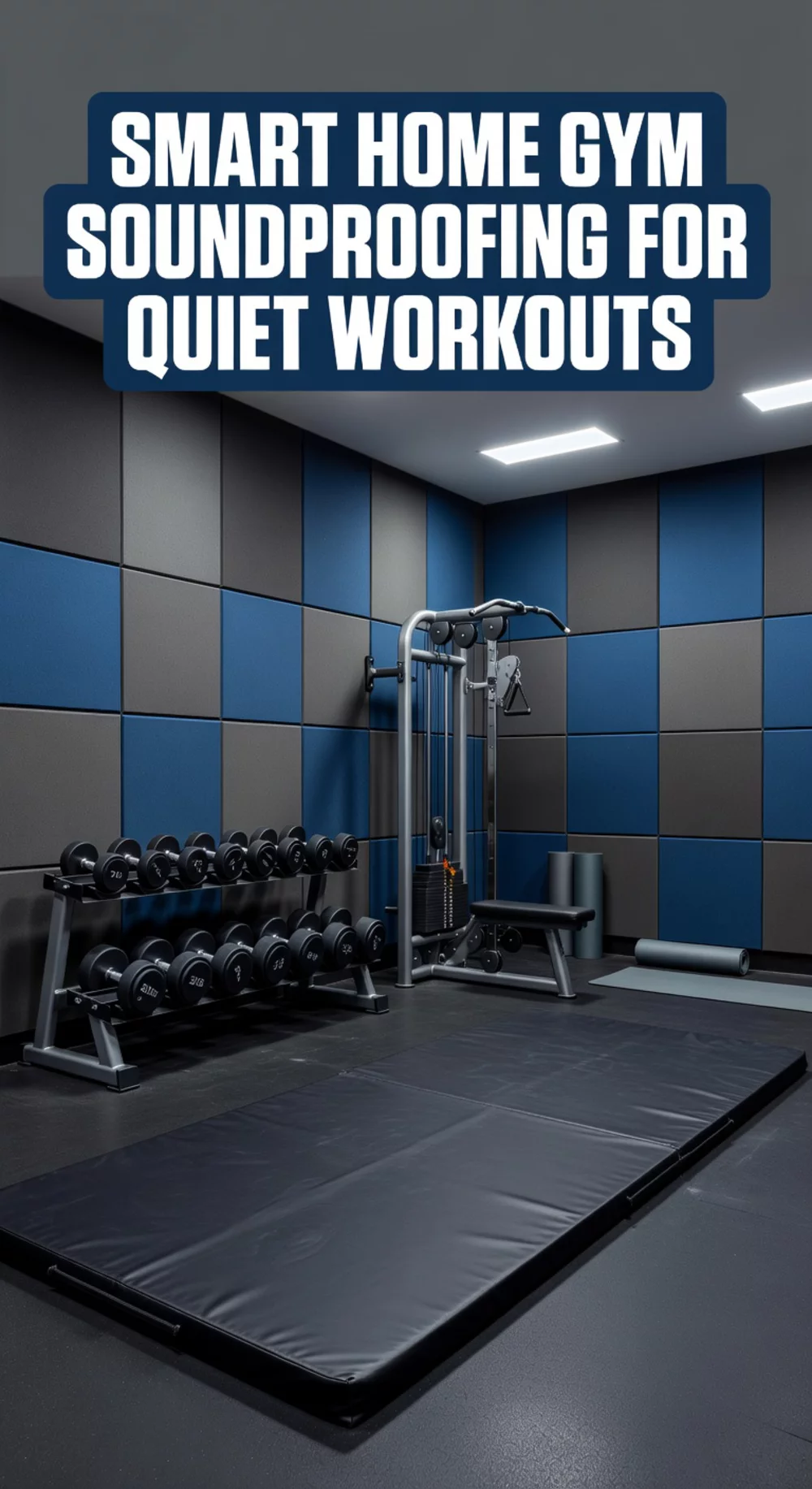
Creating a home gym can be a double-edged sword—convenient but often noisy, especially in shared spaces. Noise control is essential for maintaining peace and focus during your workouts. Discover 7 effective soundproofing solutions that will help you keep the noise where it belongs and enjoy your training without disturbance.
Home Gym Acoustic Foam Panel That Absorbs Impact Sound on Bare Walls
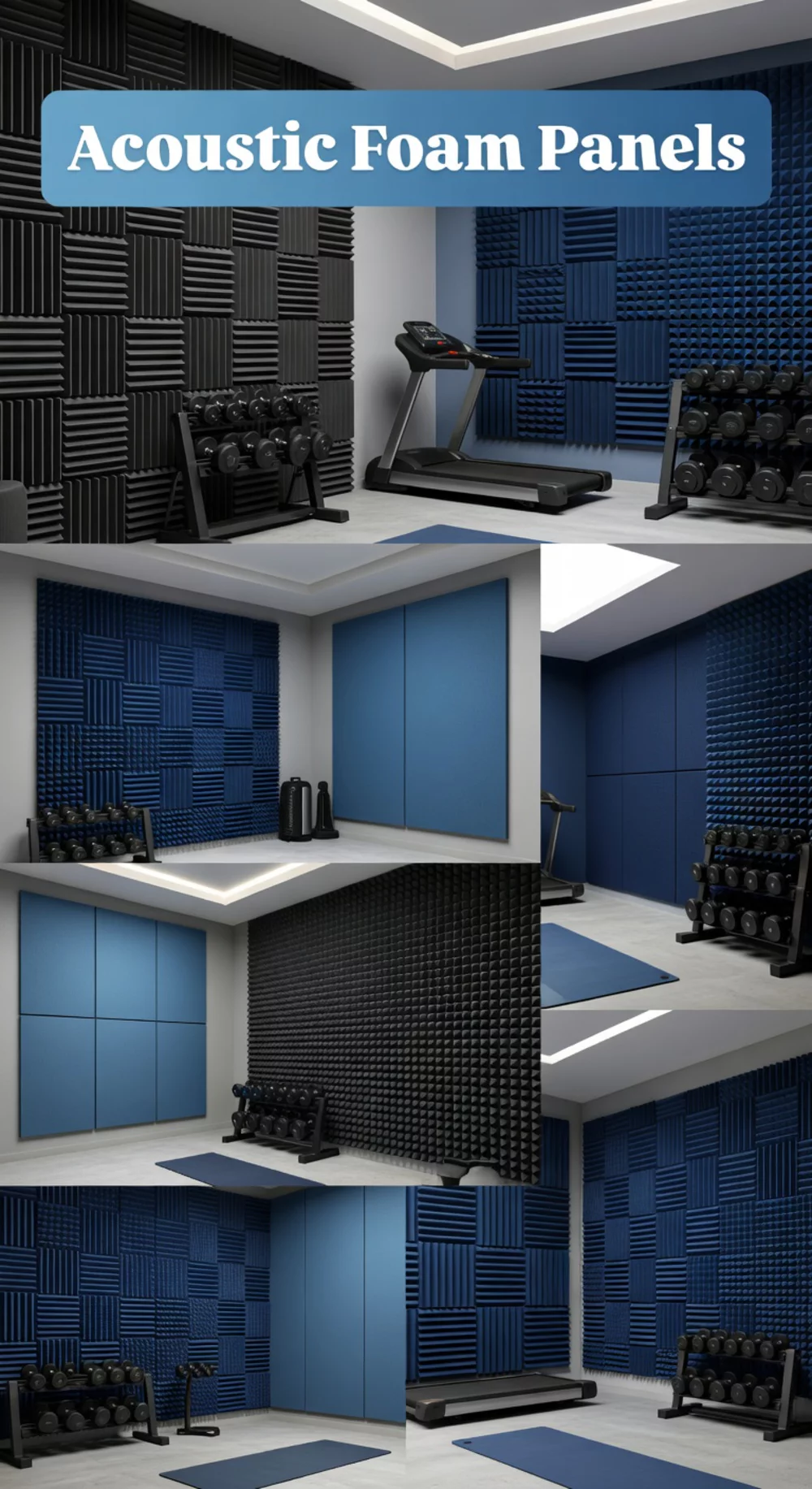
Transform your workout space with effective soundproofing solutions.
As an Amazon Associate I earn from qualifying purchases. Affiliate links may earn me a commission at no extra cost to you.
Why Acoustic Foam Panels Matter: Acoustic foam panels play a crucial role in minimizing impact noise in home gyms. These materials absorb sound waves, significantly reducing reverberation on bare walls. With easy installation and a variety of designs, they enhance both aesthetics and acoustics in your workout space.
What People Rarely Consider is the impact of wall sound absorption on overall noise levels. Many overlook the importance of placing enough foam panels to cover key areas, like corners and at ear level. A well-placed panel can reduce echoes, making workouts not just quieter but more focused and enjoyable.
- ★Install foam panels at ear level for optimal sound absorption.
- ★Use a variety of panel sizes to cover different wall areas effectively.
- ★Don’t underestimate the quantity needed; more panels mean better results.
Enhance your home gym with Interlocking Foam Floor Tiles for Workouts for the best sound absorption.
⭐ Top Products for Soundproofing Home Gyms
Interlocking Foam Floor Tiles for Workouts
These tiles provide cushioning and protect your floors, enhancing sound absorption during workouts.
View on Amazon →Interlocking Foam Floor Tiles for Home Gym
These tiles are durable and versatile, offering cushioned support for various fitness activities.
View on Amazon →Charcoal Rubber Cushion for Acoustic Use
This high-density foam is perfect for sound absorption in gym projects and more.
View on Amazon →📋 Key Steps to Follow:
- Position panels strategically: Place them at ear level and in corners for better sound absorption.
- Mix panel sizes: Utilize a variety of foam panel sizes to cover different wall areas effectively.
- Cover enough surface: Don't underestimate the number of panels needed for optimal sound reduction; more is better.
Home Gym Floor Underlayment Mat That Reduces Vibration Through the Subfloor
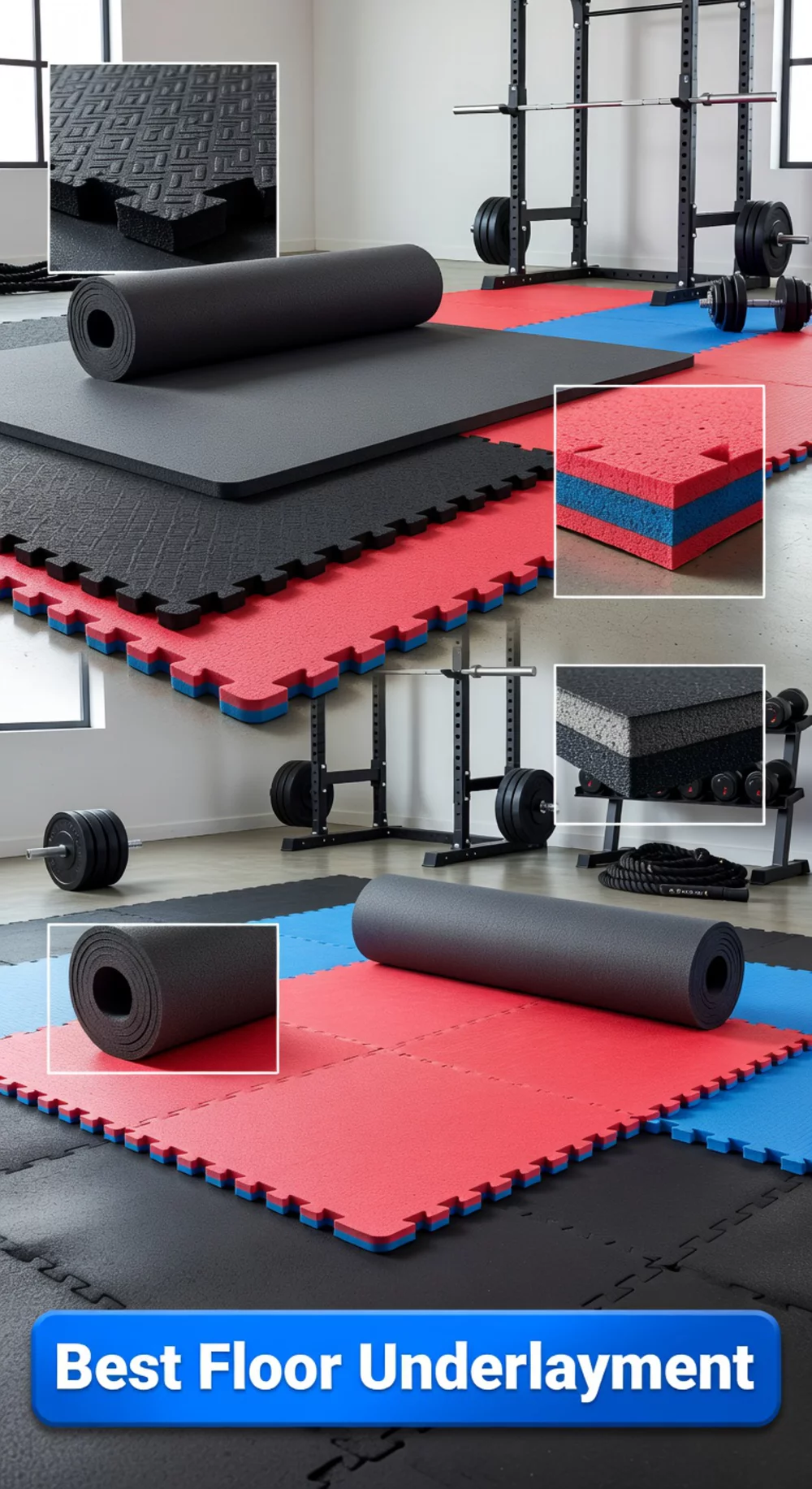
Transform your home gym with the perfect underlayment for noise reduction!
Why Home Gym Floor Underlayment Matters: During workouts, vibrations can travel through floors, disturbing others in your home. A quality floor underlayment mat absorbs these vibrations, protecting both your workout space and the subfloor. These mats are specifically designed to enhance soundproofing, ensuring a quieter environment for everyone.
What people often overlook is the thickness of these mats. Many assume a thinner mat will suffice, but for optimal sound absorption, thicker options (about 1 inch) are more effective. This simple detail can significantly reduce noise and vibrations, making your workouts smoother and more respectful to others around you.
- ★Choose at least a 1-inch thick mat for better noise absorption.
- ★Look for non-slip surfaces to prevent accidents during workouts.
- ★Avoid using inadequate underlayment options; they won't provide the soundproofing you need.
Recommended Products:
Editor's Pick: High Density Non-Slip Foam Flooring Mat - This durable mat provides excellent cushioning and noise reduction, perfect for any home gym.
Alternative: Interlocking Foam Mats for Home Gym - A budget-friendly option that still offers decent noise absorption.
Alternative: Thick EVA Interlocking Foam Gym Tiles - These tiles are designed for heavier workouts, ensuring your floor stays protected.
⭐ Top Products for Gym Floor Underlayment
High Density Non-Slip Foam Flooring Mat
This mat offers durability and excellent cushioning for sound reduction during workouts.
View on Amazon →Interlocking Foam Mats for Home Gym
These mats provide shock absorption and comfort during your workout sessions.
View on Amazon →Thick EVA Interlocking Foam Gym Tiles
These tiles are noise-reducing and provide support for high-impact exercises.
View on Amazon →💡 Quick Tips:
- Choose the right thickness: Aim for mats at least 1 inch thick for optimal sound absorption.
- Prioritize non-slip surfaces: This ensures safety during dynamic workouts, reducing injury risk.
- Check compatibility: Make sure the underlayment is suitable for your specific flooring type and workout activities.
Home Gym Door Seal Strip That Stops Sound from Leaking into the Hallway
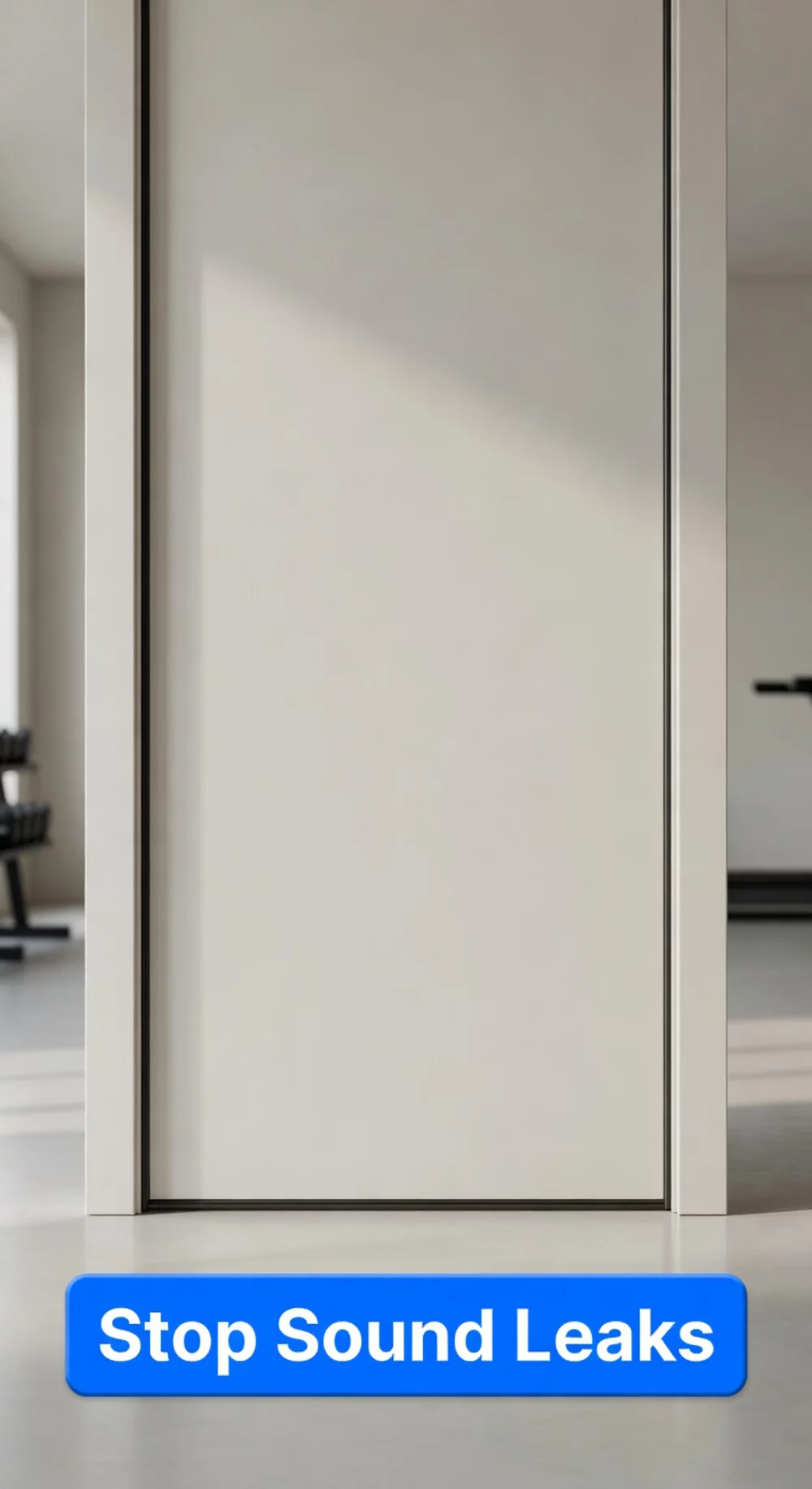
Create a peaceful workout space with effective soundproofing solutions.
Why a Home Gym Door Seal Strip Matters: Sound leakage through doorways can undermine your hard work to create a peaceful home gym. Door seal strips effectively block sound from escaping by sealing gaps, ensuring your workouts remain private and undisturbed. Whether it's an adhesive or magnetic option, these seals can be easily installed to fit your door perfectly.
What People Rarely Consider: Many people overlook measuring their door gaps before purchasing seal strips. A common mistake is assuming one size fits all, which often leads to ineffective soundproofing. Taking precise measurements ensures a snug fit, maximizing the seal's effectiveness and enhancing your gym's quiet atmosphere.
- ★Measure the height and width of your door to find the right seal strip size.
- ★Choose adhesive strips for easy application or magnetic ones for a more robust seal.
- ★Avoid gaps when installing; even small openings can let sound escape.
🚀 Quick Tips:
- Measure Twice: Ensure precise measurements of your door for the best fit.
- Choose Quality Material: Opt for durable adhesive or magnetic seal strips.
- Check for Gaps: Inspect installation thoroughly to prevent sound leakage around edges.
Home Gym Thick Rubber Deadlift Mat That Absorbs Drop Noise at the Source
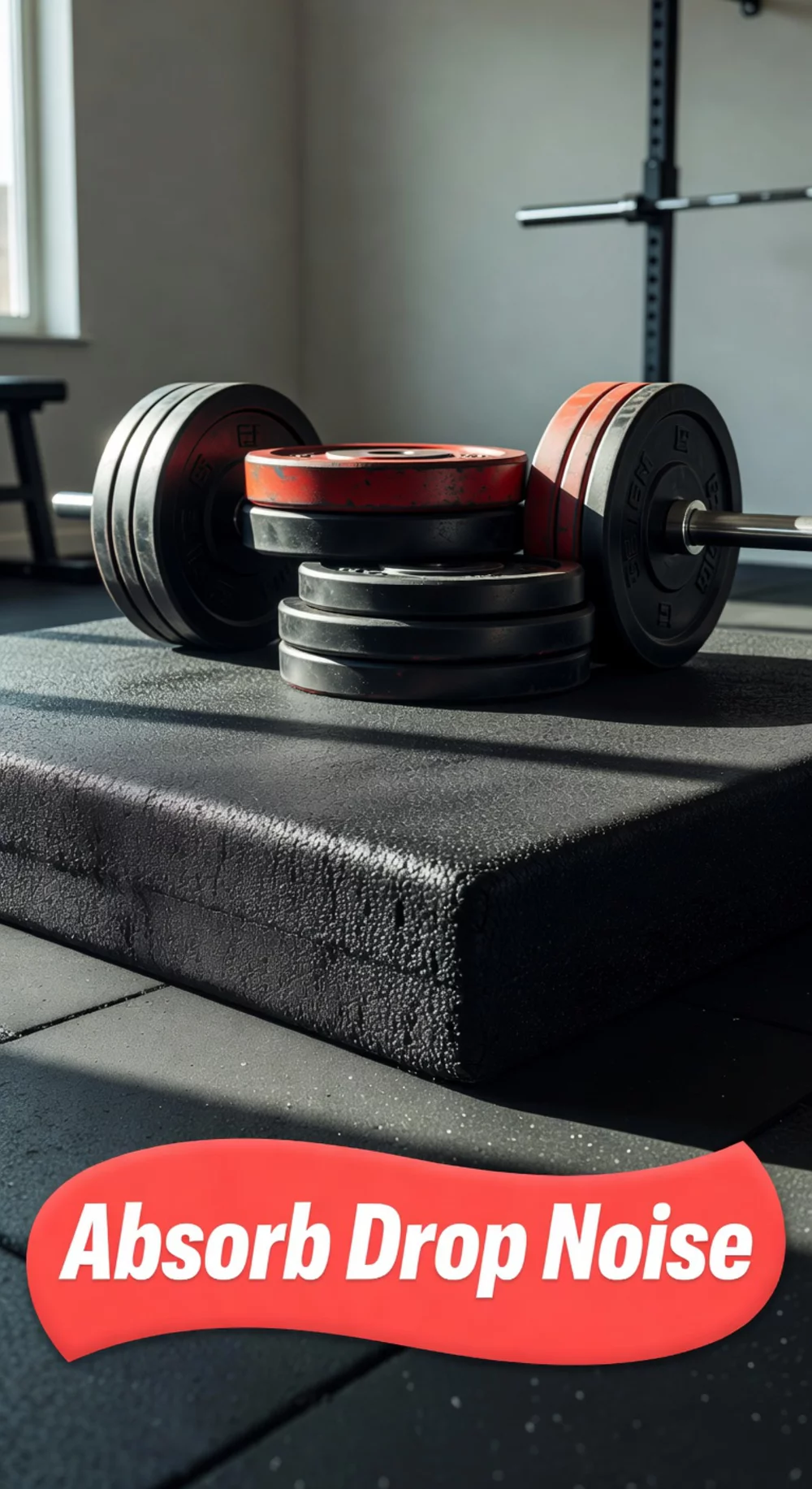
Maximizing your workout while keeping the peace at home.
Understanding the Importance of a Thick Rubber Deadlift Mat: Heavy weights dropped during workouts can create disruptive noise that travels through the floor, disturbing anyone nearby. A thick rubber deadlift mat is engineered specifically to absorb drop noise and reduce vibrations, thus protecting your flooring and maintaining a peaceful environment for others in the household.
What many gym enthusiasts overlook is the significance of selecting the right thickness for their mat. A common mistake is opting for thinner mats that fail to provide adequate noise absorption and protection. For example, a substantial mat of at least 3/4 inch in thickness can significantly dampen sound and prevent damage to both the equipment and floor.
- ★Choose a mat that's at least 3/4 inch thick for optimal sound absorption.
- ★Consider a non-slip surface to enhance safety during lifts.
- ★Don't underestimate the importance of a quality mat; it protects both your gym floor and your sanity!
⭐ Top Products for Absorbing Drop Noise
Non-Slip Suede & TPE Yoga Mat
This mat provides excellent cushioning to minimize noise during workouts and yoga sessions.
View on Amazon →🚀 Quick Tips:
- Select a mat with at least 3/4 inch thickness: This significantly reduces noise from dropped weights.
- Look for non-slip surfaces: These enhance safety and stability during heavy lifts.
- Consider mat placement: Position it under all heavy equipment to maximize noise absorption.
You're making great strides in understanding home gym soundproofing, and every bit of knowledge helps build a quieter workout space. Even small adjustments can make a significant difference in minimizing noise for everyone in your household. It's about creating a more harmonious environment, not necessarily absolute silence.
💡 Simple Reminders:
- Choosing the right thickness for mats can greatly reduce impact noise.
- Ensure doors are properly sealed to prevent sound leakage into other living spaces.
- Consider your entire gym layout when planning soundproofing solutions for the best results.
The Home Gym Acoustic Ceiling Tile Trick That Reduces Echo in a Hard-Walled Room
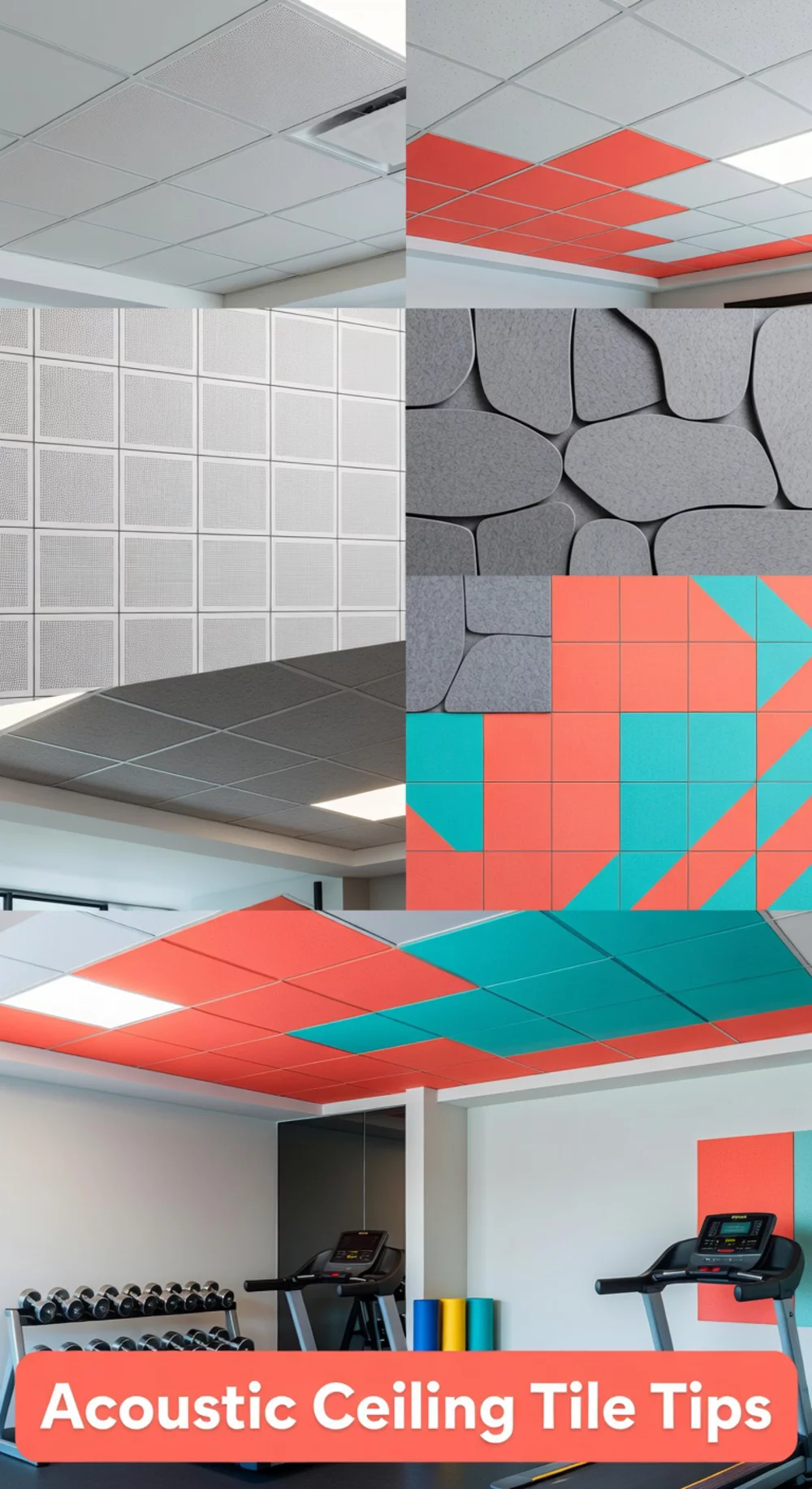
Transform your workout space with sound-absorbing ceiling tiles for a focused atmosphere.
How Acoustic Ceiling Tiles Help Reduce Echo: Acoustic ceiling tiles are designed to absorb sound waves, making them particularly beneficial in hard-walled home gyms where echoes can disrupt focus. By strategically placing these tiles, you can significantly enhance sound quality and create a more peaceful workout environment.
What People Rarely Consider: Many gym owners overlook the importance of proper spacing when installing ceiling tiles. For instance, placing tiles too far apart can lead to ineffective sound absorption, allowing echoes to persist. A common mistake is not covering the entire ceiling, which can leave gaps where sound waves bounce, counteracting your soundproofing efforts.
- ★Install tiles at least 12 inches apart for optimal sound absorption.
- ★Consider decorative options that enhance both aesthetics and functionality.
- ★Avoid gaps when installing; check measurements before final placement.
⚡ Best Practices:
- Test the acoustics: Before installation, clap or speak loudly to gauge echo levels.
- Use appropriate adhesive: Ensure you select a strong adhesive suitable for ceiling tiles.
- Cover the entire ceiling: Avoid leaving gaps; a full coverage reduces echo significantly.
Home Gym Ventilation Fan That Keeps Air Moving Without Adding Street Noise
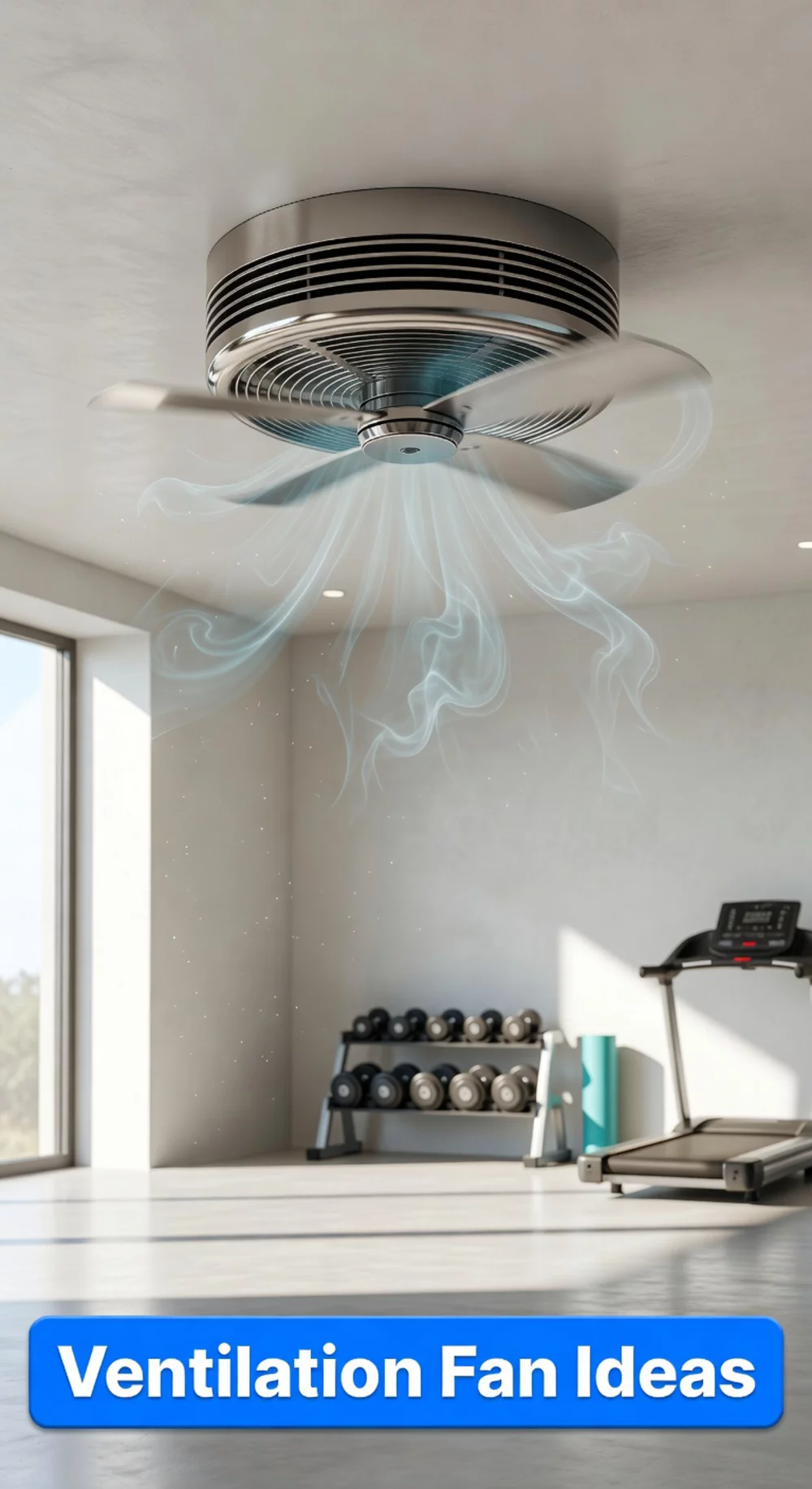
Breathe easy during workouts with a quiet ventilation solution.
Why a Ventilation Fan is Essential for Your Home Gym: Proper ventilation ensures that you can stay focused and comfortable during those intense workouts. A good ventilation fan allows for constant airflow without adding disruptive street noise, making your gym experience much more pleasant.
Many people overlook the importance of fan placement in a home gym. For instance, if it’s positioned too close to the workout area, it may create unwanted noise rather than alleviate it. Aim to place it in a corner or higher up on a wall to achieve optimal airflow without interference.
- ★Choose a model with a quiet motor to maintain a peaceful workout environment.
- ★Ensure it has adjustable speed settings for custom airflow based on your workout intensity.
- ★Avoid using fans that aren't energy efficient, as they can lead to higher electricity costs.
💭 Important to Remember:
Always consider noise levels when selecting a fan for your gym. A fan with a good airflow rating can still be noisy, so look for product reviews specifically mentioning quiet operation to ensure a calm workout space.
🚀 Quick Tips:
- Prioritize fan placement: Position your fan away from direct workout areas to reduce noise.
- Choose energy-efficient models: Look for fans that use minimal energy while maximizing airflow.
- Consider size and power: Select a fan size suitable for your gym space to ensure effective ventilation.
Why Layering Floor Rubber and Wall Foam Solves Most Home Gym Noise Problems
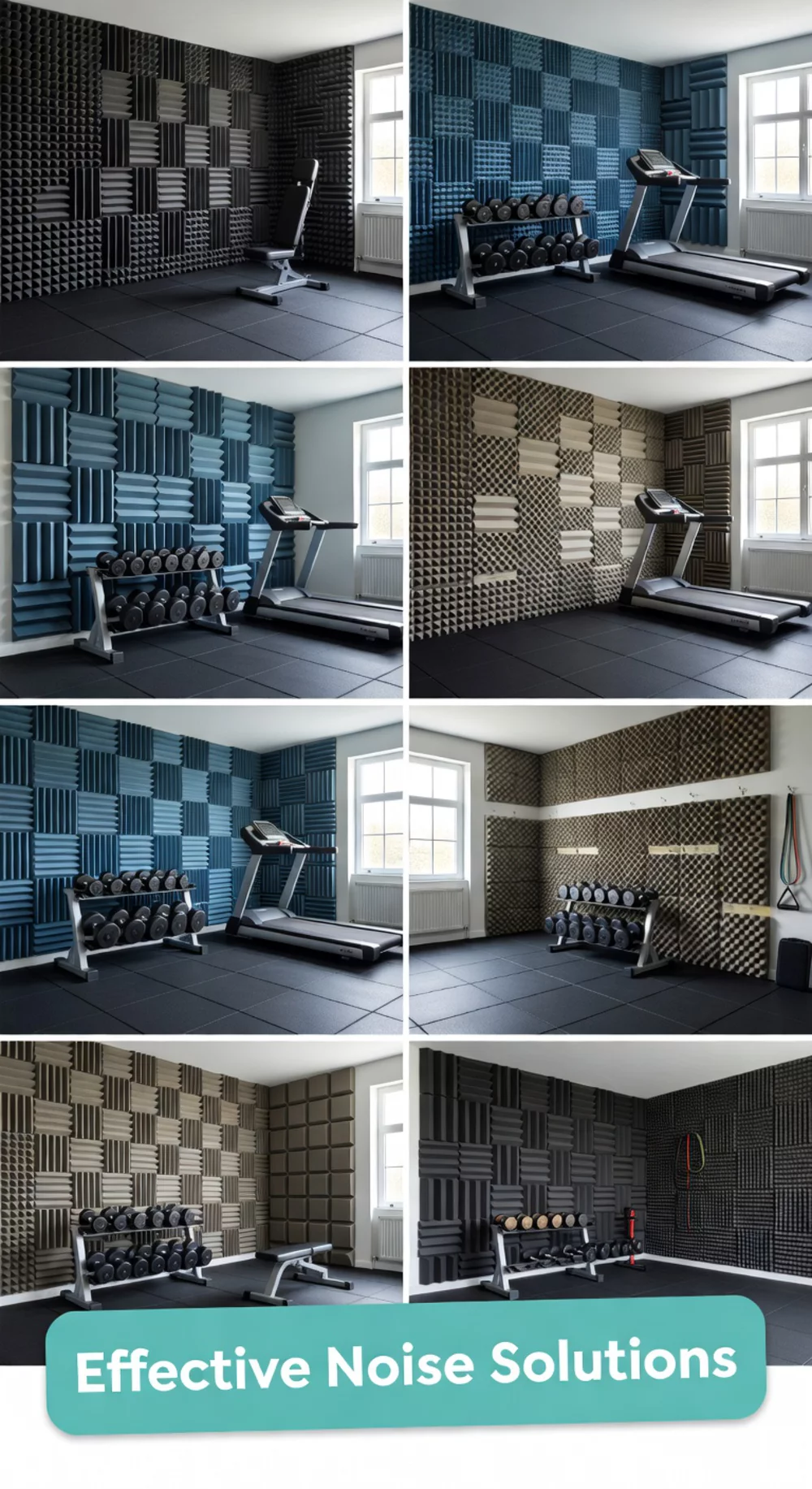
Create your quiet workout space with effective layering techniques.
Understanding the Power of Layering: Layering different soundproofing materials, like rubber flooring and foam panels, creates a more effective sound barrier than using a single material. This combination significantly reduces noise transmission, ensuring that your workouts don’t disturb others in your home.
What People Rarely Consider is how the arrangement of soundproofing materials affects noise control. For instance, some may only install rubber flooring and overlook the need for wall treatments. This lack of layering can lead to sound reflection and increased noise levels, reducing the effectiveness of their soundproofing efforts.
- ★Combine rubber flooring and wall foam for optimal sound absorption.
- ★Use high-density rubber for flooring to maximize sound dampening.
- ★Measure your space accurately to determine how much material you need.
💡 Key Steps to Follow:
- Layer materials: Combine rubber flooring and foam panels for better sound absorption.
- Assess your space: Measure your gym to determine how much of each layer you need.
- Prioritize area: Focus on high-impact zones like under heavy equipment for maximum noise reduction.
You now have seven practical ways to enhance the soundproofing of your home gym. Start with what feels manageable and remember that even small changes can lead to a quieter, more enjoyable workout experience.
Each thoughtful adjustment helps your space feel more like yours, fostering an environment where you can focus on your fitness goals. For more insights on creating a welcoming workout space, consider exploring how to optimize your home gym layout.