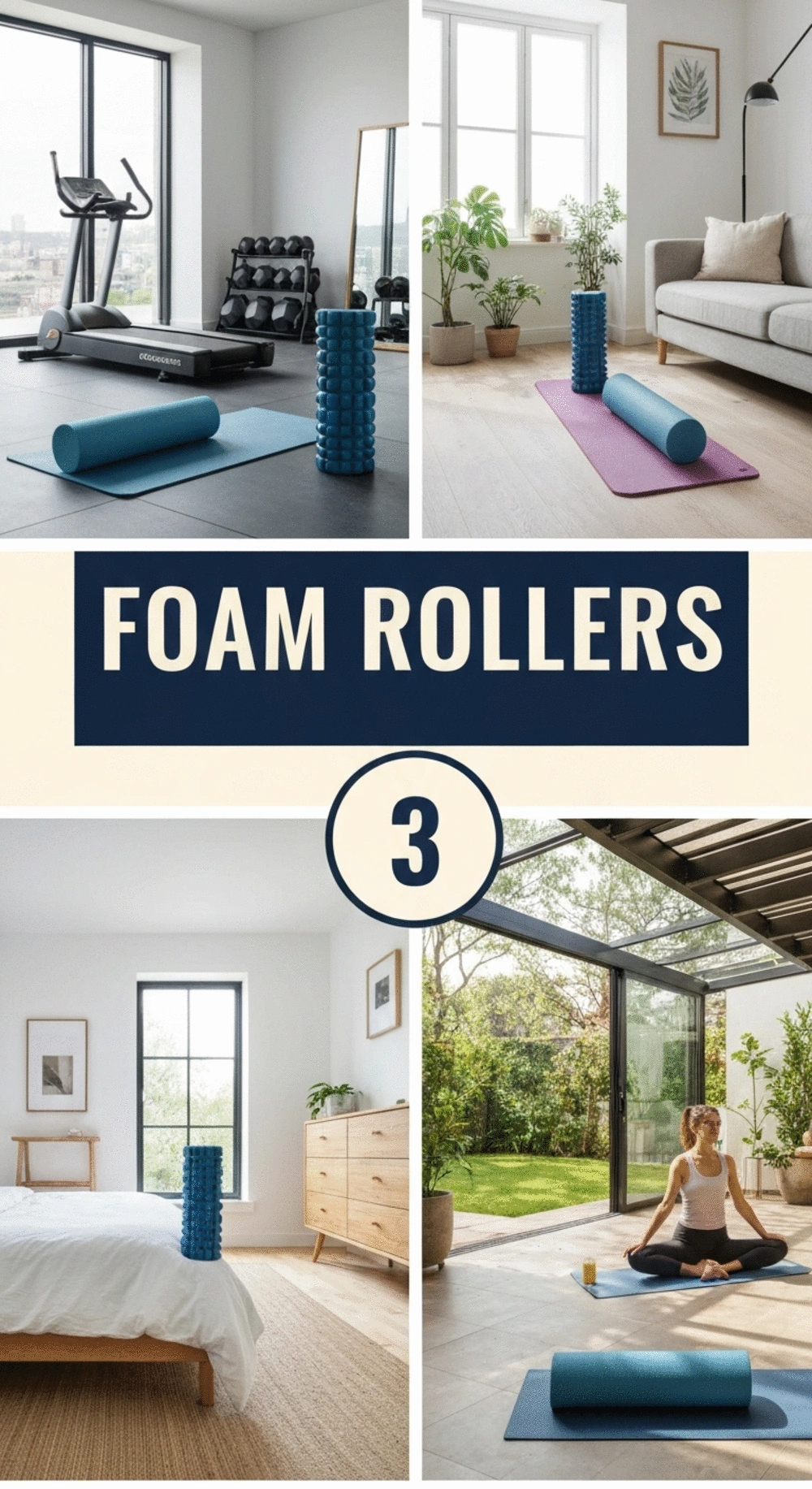
Have you ever considered how a simple foam roller could elevate your recovery routine? This often-overlooked tool is more than just a fitness accessory; it’s a game changer in muscle recovery and overall performance.
As an Amazon Associate I earn from qualifying purchases. Affiliate links may earn me a commission at no extra cost to you.
What You Will Learn
- Self-Myofascial Release (SMR): Understand the role of foam rolling in relieving muscle soreness and enhancing movement.
- Portability and Affordability: Discover how foam rollers are easy to transport and budget-friendly compared to other recovery tools.
- Improved Blood Circulation: Learn how foam rolling promotes nutrient delivery to muscles, speeding up recovery.
- Trigger Point Awareness: Identify and target muscle knots effectively to enhance overall tissue health.
- Enhanced Athletic Performance: See how foam rolling can improve muscle activation, flexibility, and workout efficiency.
- Combination Recovery Techniques: Explore effective pairings of foam rolling with stretching, massage, and hot baths for optimal recovery.
Understanding Foam Rolling: The Basics of Self-Myofascial Release
Are you curious about how foam rolling can transform your recovery routine? At Fitness Fit Space Daily, we believe that understanding the basics of foam rolling is essential for any fitness enthusiast. Foam rolling is a form of self-myofascial release (SMR) that helps alleviate muscle tightness and improve overall tissue health. Let’s dive into what foam rollers are and how they work!
What is a Foam Roller and How Does It Work?
A foam roller is a cylindrical tool made from dense foam that you can use to massage your muscles. It works by applying pressure to specific areas of your body, helping to release tension and improve blood flow. When you roll over tight spots or knots, the roller compresses the muscle tissue, which can enhance flexibility and range of motion. It’s like giving yourself a deep tissue massage without needing a partner!
- Self-Myofascial Release (SMR): Foam rolling is a key technique in SMR, which is aimed at relieving muscle soreness and improving movement.
- Compact and Portable: Foam rollers are easy to store and transport, making them perfect for home workouts or trips to the gym.
- Affordable Recovery Tool: Compared to other recovery equipment, foam rollers are budget-friendly and highly effective.
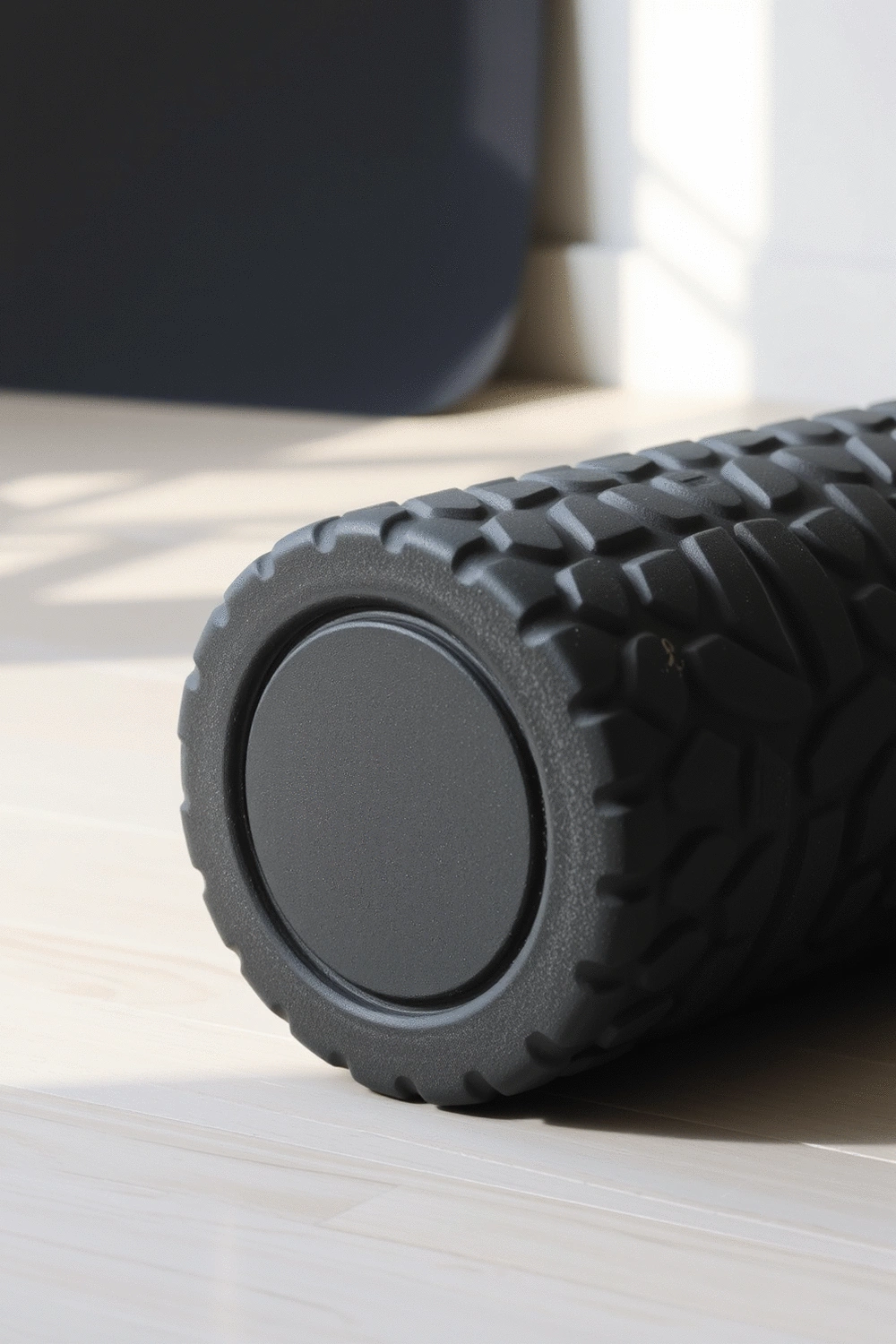
Using a foam roller can significantly enhance your workout experience. By incorporating it into your routine, you can prepare your muscles for exercise or help them recover afterward! For more wellness tips, check out our articles on hydration for women's fitness.
The Science Behind Self-Myofascial Release (SMR)
The science of self-myofascial release revolves around the fascia, the connective tissue that surrounds muscles. When fascia becomes tight, it can limit movement and contribute to discomfort. Foam rolling helps break down adhesions and scar tissue, promoting blood circulation and nutrient flow to the muscles. This process not only aids in recovery but also helps prevent future injuries.
- Improved Blood Flow: Increased circulation can enhance nutrient delivery to muscles, speeding up recovery.
- Enhanced Muscle Performance: By reducing muscle tension, foam rolling can improve your workout efficiency.
- Stress Reduction: Regular foam rolling can lead to relaxation and decreased muscle stiffness.
Understanding these principles can help you appreciate the benefits of foam rolling as part of your fitness journey. If you're interested in other fitness techniques, check out our post on why you should prioritize gym equipment maintenance for optimal results!
How Foam Rolling Impacts Trigger Points for Improved Tissue Health
Trigger points, often referred to as muscle knots, can significantly affect your performance and comfort. Foam rolling specifically targets these areas, helping to release tension and improve overall tissue health. By applying pressure to trigger points, you can help your muscles relax and restore their normal function.
- Identifying Trigger Points: Regular foam rolling helps you become more aware of areas that may need extra attention.
- Enhanced Recovery: Focusing on trigger points can lead to faster recovery from intense workouts.
- Overall Well-Being: Treating trigger points can reduce discomfort not just during workouts, but throughout daily life.
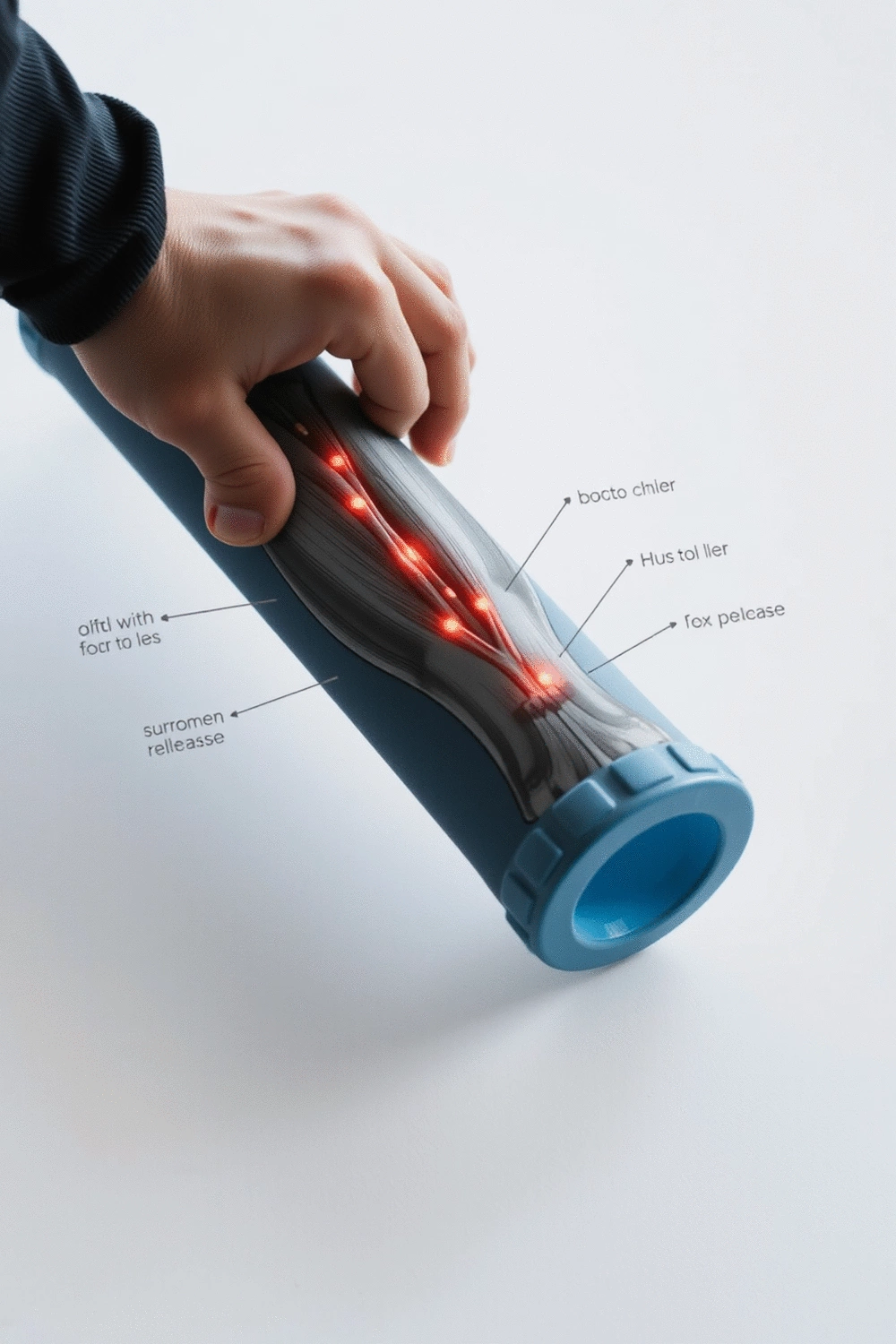
Incorporating foam rolling into your routine is an effective way to enhance muscle recovery and overall fitness performance. For more tips on selecting the right workout gear, check out our guide on how to choose the best dumbbells for home workouts!
Exploring the Long-Term Effects of Foam Rolling
Foam rolling isn't just a quick fix for soreness; it can have profound long-term effects on your overall fitness journey. By incorporating foam rolling into your routine, you're paving the way for better muscle recovery and enhanced athletic performance. Let’s dive into how this recovery tool works best when paired with other modalities, as well as some real user experiences!
Insights on Foam Rolling Combined with Other Recovery Modalities
When you pair foam rolling with other recovery techniques, such as stretching, massage therapy, or even infrared saunas, you set yourself up for a well-rounded recovery plan. Here are some effective combinations:
- Foam Rolling + Stretching: Use foam rolling to loosen tight muscles followed by static stretching to enhance flexibility.
- Foam Rolling + Massage: Consider professional massage therapy after foam rolling sessions to further alleviate muscle tension.
- Foam Rolling + Hot Baths: A warm bath post-foam rolling can help soothe sore muscles and promote relaxation.
These combinations not only enhance muscle recovery but also contribute to greater mobility and overall wellbeing. Have you tried any of these pairs? Let me know in the comments!
User Testimonials: Real Experiences with Foam Rolling for Muscle Recovery
Listening to the experiences of fellow fitness enthusiasts can be incredibly motivational! Many users report significant improvements in their recovery times and reduced muscle soreness. Here are a few testimonials:
- Mike, 32: “Foam rolling became a game changer for me. I used to struggle with DOMS after intense leg days, but now I roll out those muscles, and it makes a world of difference!”
- Emily, 28: “I combined foam rolling with my yoga practice, and I feel more in tune with my body. My flexibility has improved, and I recover faster!”
- James, 45: “As a runner, foam rolling has helped me prevent injuries. I roll out my legs regularly, and I haven’t had a single injury this season!”
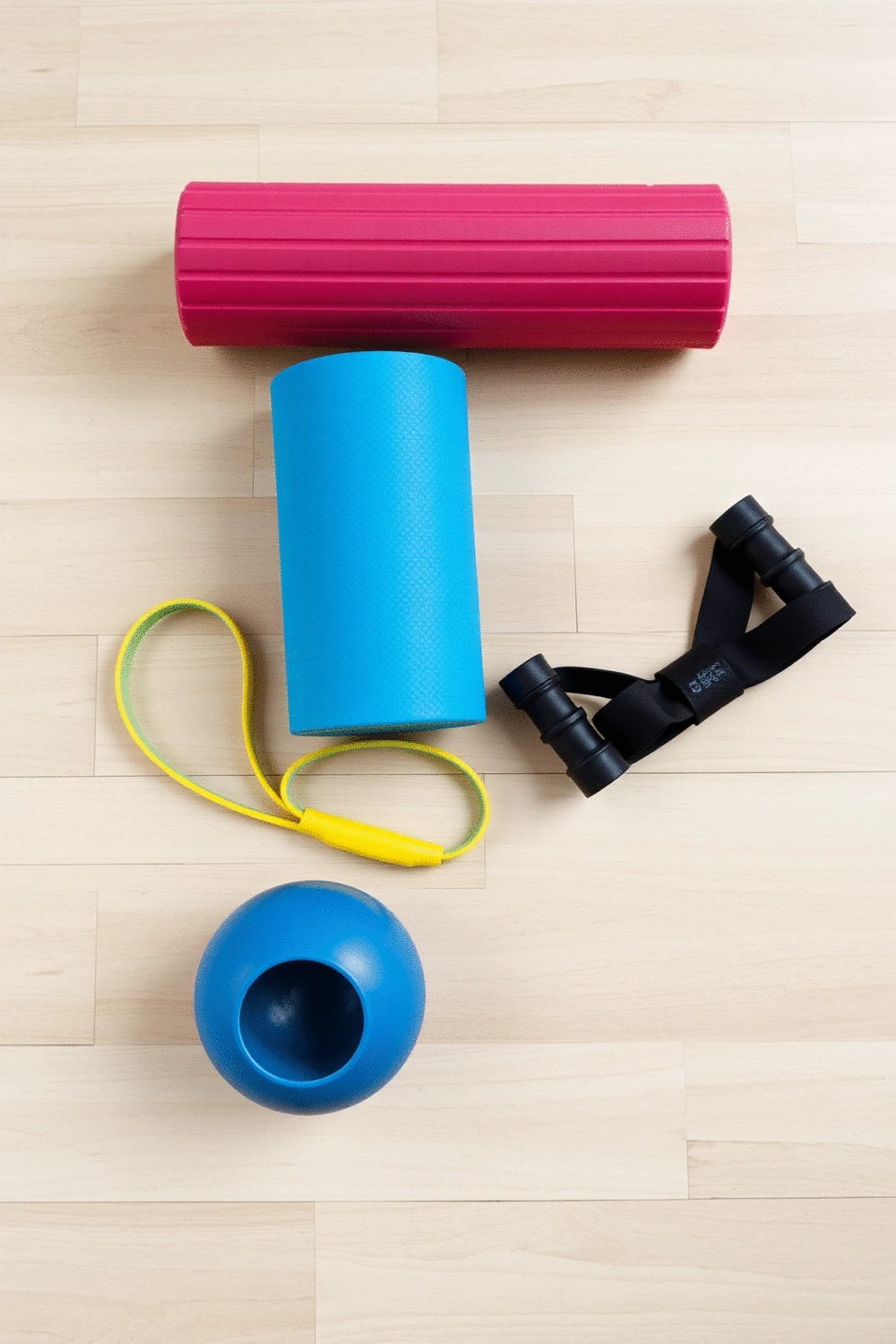
These stories resonate with our community at Fitness Fit Space Daily, inspiring us all to take recovery seriously! If you're considering starting a foam rolling routine, these testimonials highlight just how beneficial it can be. For those interested in yoga, check out our guide on how to pick the perfect yoga strap for flexibility.
The Link Between Foam Rolling and Improved Athletic Performance
Not only does foam rolling aid in recovery, but it can also boost your athletic performance! By enhancing blood flow, flexibility, and range of motion, you can expect noticeable improvements in your workouts. Here are some performance benefits:
- Increased Muscle Activation: Foam rolling helps activate muscle fibers before workouts, making them more responsive during exercises.
- Improved Range of Motion: Regularly rolling out tight muscles leads to better mobility, allowing for deeper squats, better lunges, and more effective movements overall.
- Faster Recovery Time: Quick recovery means you can train harder, more frequently, and avoid setbacks!
Integrating foam rolling into your routine can lead to a more efficient training schedule and greater results. Curious about how it fits into your overall recovery strategy? Check out this post on infrared saunas for post-workout-recovery to explore more recovery options!
Recap of Key Points
Here is a quick recap of the important points discussed in the article:
- Foam Rolling Benefits: Enhances muscle recovery, improves flexibility, and alleviates muscle soreness.
- Technique for Trigger Points: Regular foam rolling can identify and relieve muscle knots, leading to improved overall tissue health.
- Combination with Other Modalities: Pairing foam rolling with stretching and massage therapy amplifies recovery efforts.
- Long-Term Effects: Incorporating foam rolling into your routine can lead to lasting improvements in athletic performance and muscle functionality.
- User Experiences: Testimonials highlight significant recovery benefits and reduced soreness among regular users.
Frequently Asked Questions About Foam Rolling
- Q1: What is foam rolling and how does it benefit muscle recovery?
- A1: Foam rolling is a self-myofascial release (SMR) technique using a cylindrical foam tool to apply pressure to muscles. It benefits muscle recovery by alleviating tightness, improving blood flow, and releasing tension, which helps reduce soreness and enhance flexibility.
- Q2: How does foam rolling help with trigger points?
- A2: Foam rolling targets trigger points (muscle knots) by applying direct pressure. This helps to break down adhesions, release tension, and restore normal muscle function, leading to improved tissue health and reduced discomfort.
- Q3: Can foam rolling improve athletic performance?
- A3: Yes, foam rolling can significantly boost athletic performance. It increases muscle activation, improves range of motion, and speeds up recovery time, allowing for more efficient training and better overall results.
- Q4: What are some effective ways to combine foam rolling with other recovery techniques?
- A4: Foam rolling can be effectively combined with stretching to enhance flexibility, with professional massage therapy for deeper tension relief, and with hot baths for soothing sore muscles and promoting relaxation.
- Q5: Is foam rolling an affordable recovery tool?
- A5: Yes, foam rollers are generally budget-friendly compared to other recovery equipment and therapies, making them an accessible and effective option for many fitness enthusiasts.