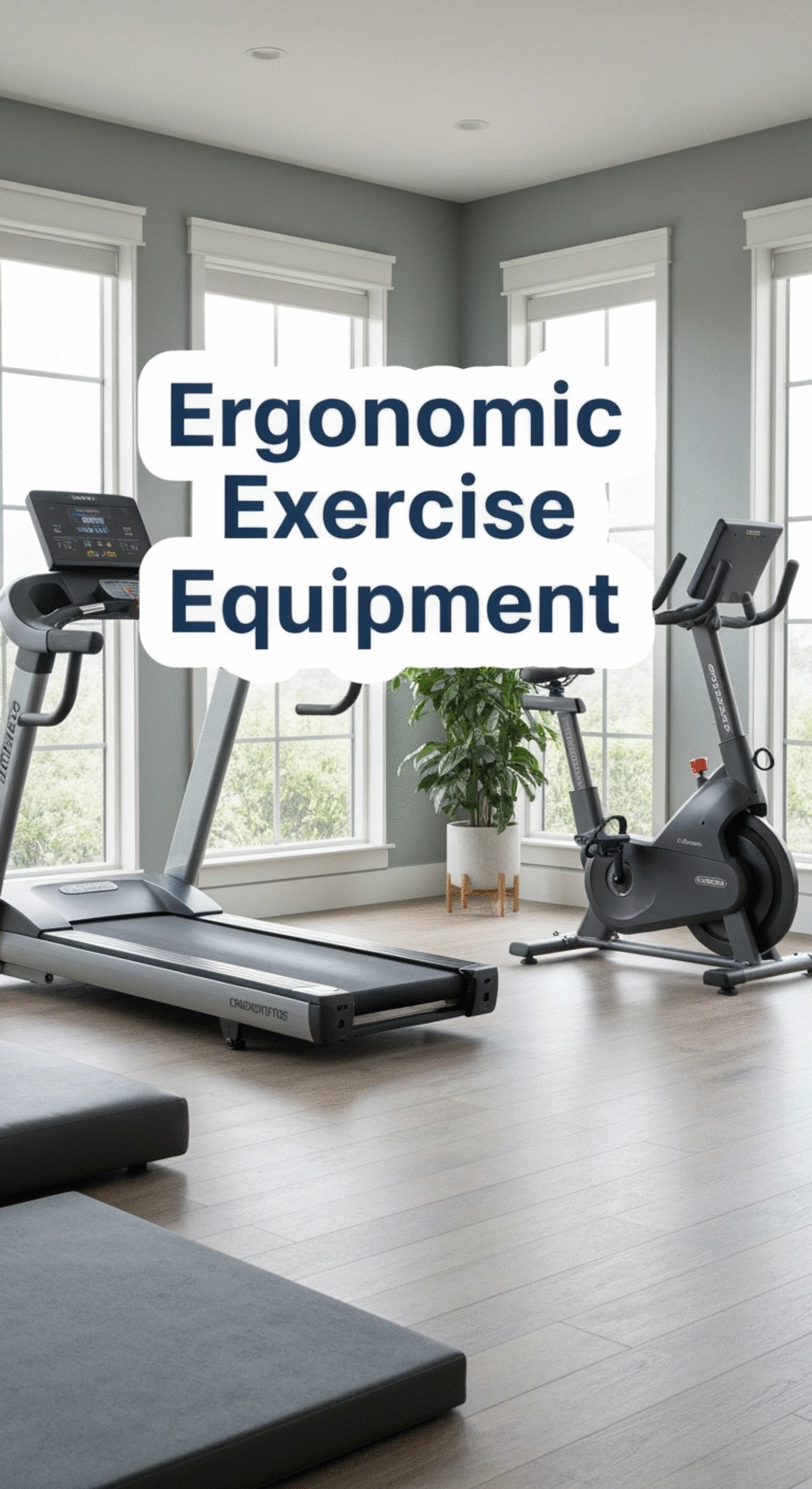
What if the key to unlocking your fitness potential lies not just in your workout routine but in the equipment you use? Ergonomic exercise equipment is designed to support your body in ways that traditional gear often neglects. Understanding its benefits can significantly enhance your performance and reduce injury risks.
As an Amazon Associate I earn from qualifying purchases. Affiliate links may earn me a commission at no extra cost to you.
What You Will Learn
- Ergonomic equipment minimizes discomfort, allowing for more enjoyable workouts.
- It significantly reduces the risk of strains and injuries by promoting proper body alignment.
- Using ergonomic tools can enhance overall performance by enabling focus on training rather than discomfort.
- Adopting ergonomic solutions in both fitness and workplace settings leads to healthier, more productive environments.
- Research supports that implementing ergonomic strategies lowers the incidence of musculoskeletal disorders.
- Evaluating ergonomic equipment requires checking for adjustability, comfort, and quality materials to suit your needs.
Understanding the Role of Ergonomic Exercise Equipment in Injury Prevention
As a fitness enthusiast, I've seen firsthand how the right tools can make a world of difference in our workouts. Ergonomic exercise equipment is designed specifically to reduce discomfort and prevent injuries, making it vital for anyone who wants to stay active without the risk of setbacks. This section will explore what ergonomic equipment is, how it plays a role in injury prevention, and why it should be a priority in your fitness journey.
What is Ergonomic Exercise Equipment?
To understand ergonomic exercise equipment, we first need to grasp what ergonomics means in fitness. Ergonomics is the science of designing equipment to fit the user, minimizing strain and maximizing comfort during workouts. This approach aims to create a better fit between your body and the equipment, enhancing your performance while reducing the risk of injury.
Defining Ergonomics in Fitness
In fitness, ergonomics focuses on how our bodies interact with exercise equipment. It emphasizes tools that promote natural body movements and provide necessary support where it's needed most. For example, an ergonomic weight bench will align with your body's natural posture, allowing you to lift weights safely and effectively.
Types of Ergonomic Exercise Equipment
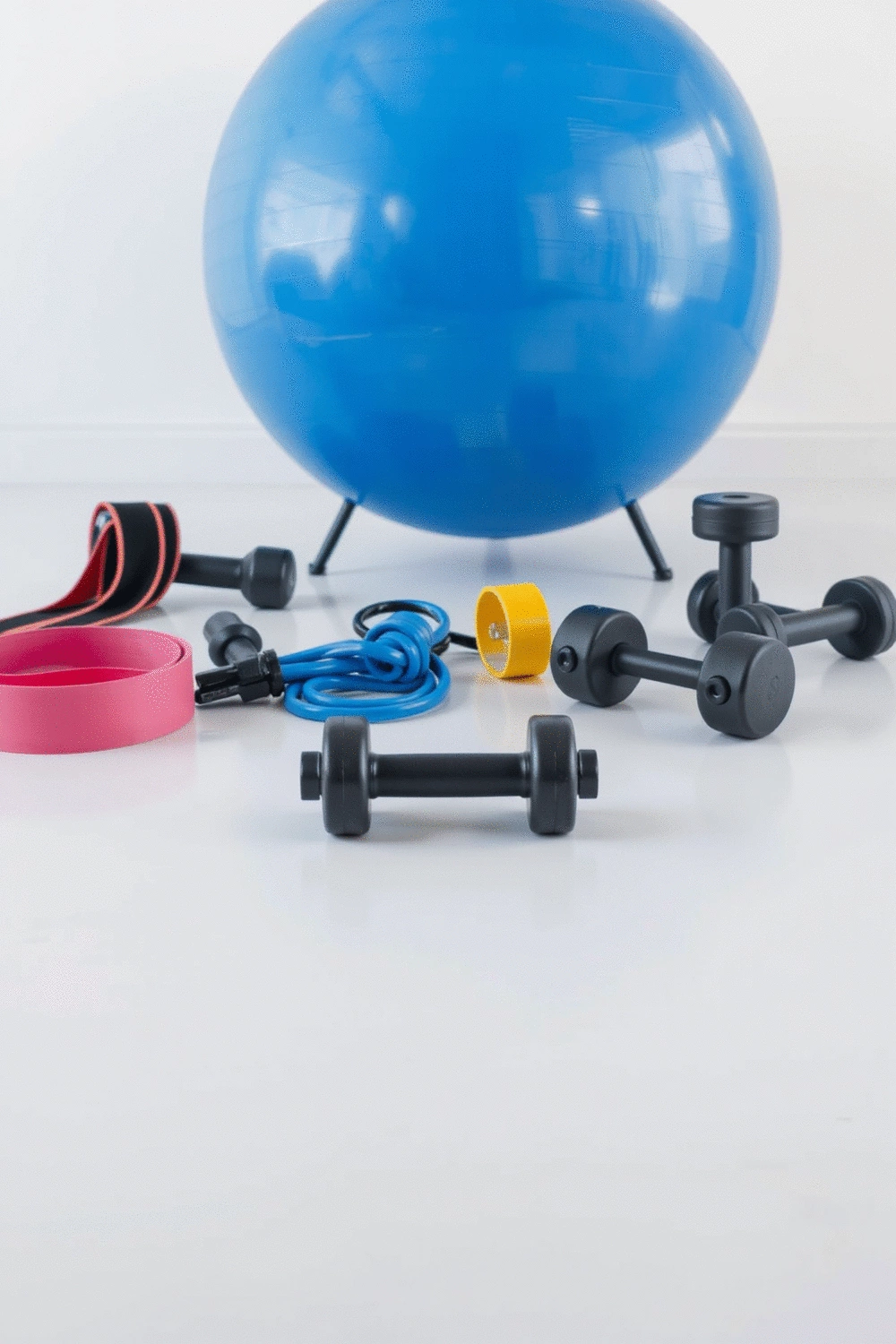
- Ergonomic Chairs and Benches: Designed to support your back and neck.
- Adjustable Dumbbells: Allow for a customized grip that suits your hand size.
- Resistance Bands: Offer varied resistance while being gentle on the joints.
- Stability Balls: Promote core strength and balance, adapting to your movements.
Incorporating such equipment into your routine can lead to more comfortable workouts, and ultimately, better results. If you're interested in specific gear, check out my post on the benefits of using resistance bands for strength training!
How Ergonomic Equipment Reduces Injury Risks
Now, you might be wondering, how exactly does ergonomic equipment help prevent injuries? The answer lies in its design and functionality. Ergonomic gear is crafted to provide support and reduce unnecessary stress on your body, particularly during repetitive movements.
Mechanisms of Injury Prevention
Here are some key mechanisms through which ergonomic equipment reduces injury risks:
- Alignment: Proper alignment of your body while exercising ensures that the right muscles are engaged.
- Support: Equipment that supports your joints can help reduce the impact of strenuous activities.
- Adaptability: Many ergonomic tools can adjust to fit various body types, offering a personalized workout experience.
By using equipment designed with these principles in mind, you can significantly lower your chances of sustaining injuries during your workouts.
Comparison: Ergonomic vs. Traditional Equipment
When comparing ergonomic equipment with traditional gear, the differences can be striking. Traditional equipment may not cater to individual body types, often leading to discomfort or injury over time. Ergonomic options, however, prioritize user comfort and safety.
- Traditional Equipment: Fixed designs can force your body into unnatural positions.
- Ergonomic Design: Customizable features promote a natural range of motion.
If you're interested in understanding how to choose the right equipment for your needs, take a look at my guide on selecting the right treadmill for your fitness goals.
The Impact of Ergonomics on Sports Injuries
In the world of sports, the impact of ergonomic design can't be overstated. Athletes rely on their equipment to perform at their best, and when that equipment is designed with ergonomics in mind, the result is a significant reduction in sports-related injuries.
Ergonomic Design in Sports Equipment
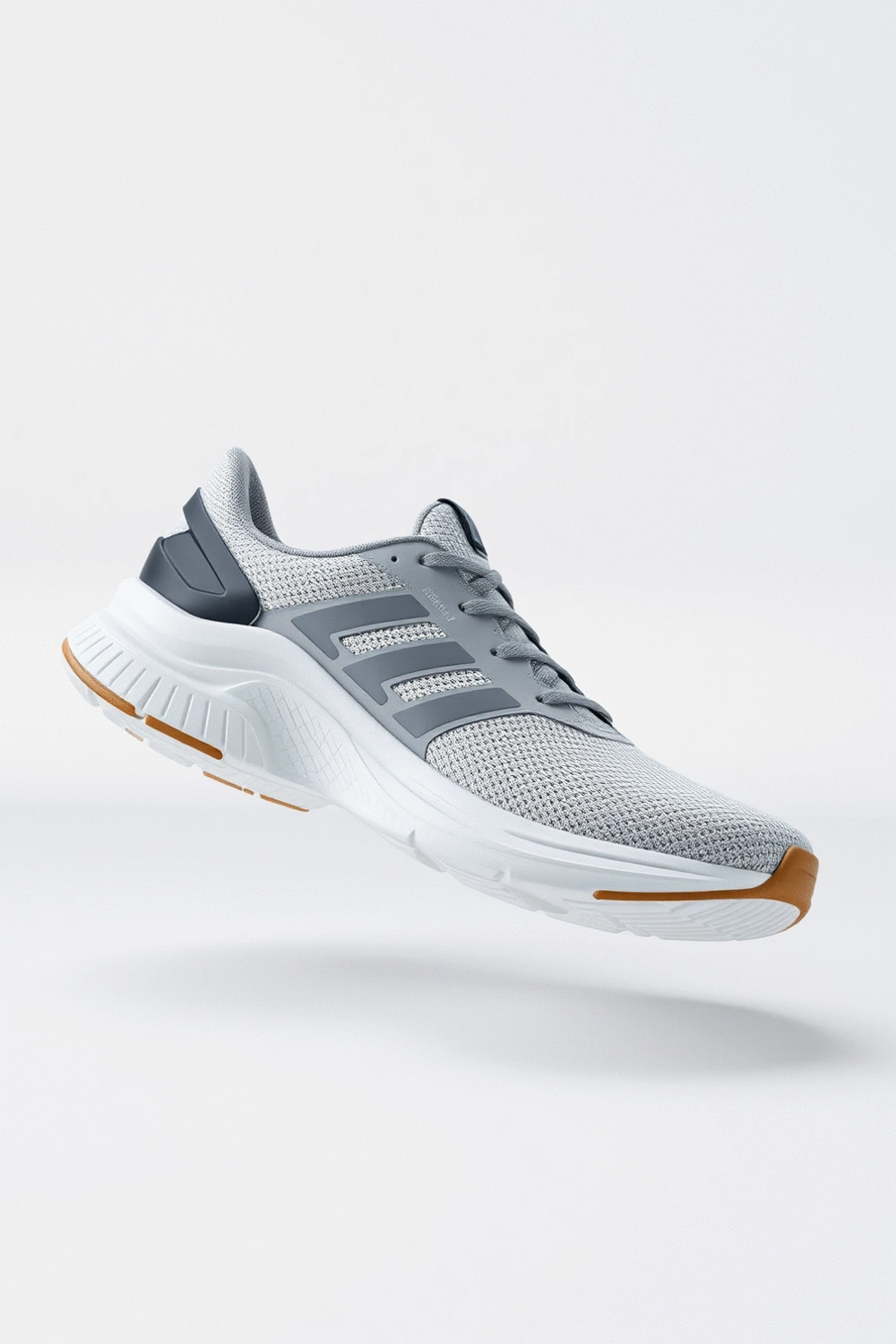
From running shoes that cradle the foot to racquets that enhance grip comfort, ergonomic design principles are reshaping how athletes interact with their gear. When athletes are comfortable, they can focus on performance rather than pain.
Case Studies: Success Stories in Athlete Safety
- Professional Runners: Many have reported fewer injuries when switching to ergonomic footwear.
- High-Impact Sports Athletes: Using ergonomic equipment like padded grips has decreased joint pain.
- Gymnasts: Improved mats have led to fewer sprains and strains.
These success stories highlight the importance of investing in ergonomic solutions, especially if you're serious about your fitness journey.
Workplace Ergonomics and Injury Prevention Strategies
It's not just fitness enthusiasts who benefit from ergonomics; the workplace is another critical area where ergonomic principles can lead to injury prevention. Many of us spend long hours sitting at desks or performing repetitive tasks, so a focus on workplace ergonomics is essential.
Implementing Ergonomic Principles in Occupational Settings
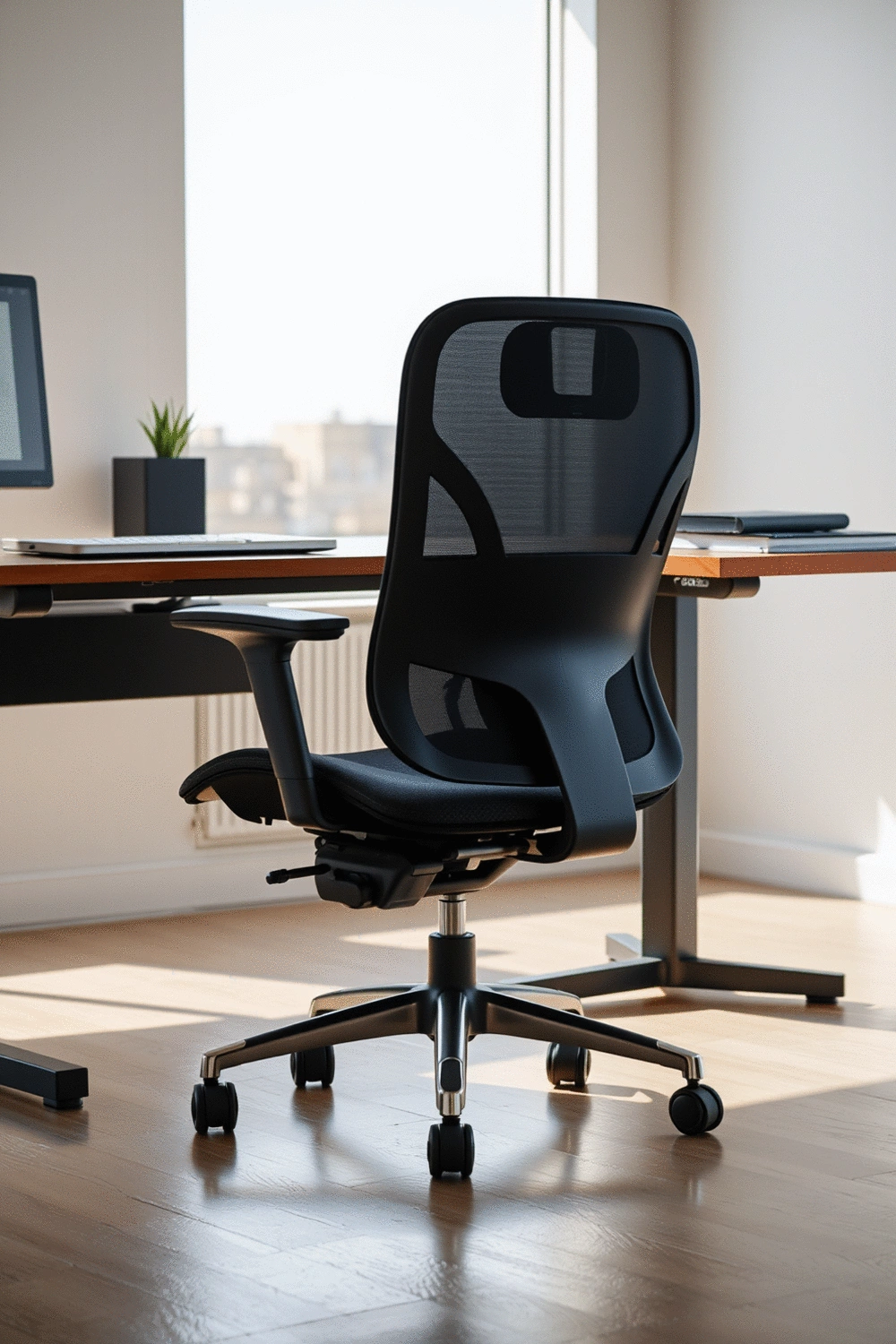
By adjusting our work environments to be more ergonomic, we can combat discomfort and chronic injuries. Simple changes like using adjustable chairs, desks, and keyboard placements can make a huge difference.
Measurable Outcomes: Reducing Musculoskeletal Disorders (MSDs)
Research shows that businesses implementing ergonomic strategies experience a reduction in MSDs. This not only leads to healthier employees but can also enhance productivity and job satisfaction.
Occupational Health: Enhancing Workplace Safety
Prioritizing ergonomics in the workplace promotes a culture of safety. It encourages employees to take ownership of their health and well-being, reducing absenteeism and improving overall morale.
Integrating Ergonomic Equipment into Exercise Routines
Finally, it’s crucial to think about how we can integrate ergonomic equipment into our exercise routines. This helps maximize benefits and minimize injury risks.
Best Practices for Customized Exercise Plans
When creating your exercise plan, consider incorporating ergonomic gear that suits your activities. This not only enhances your performance but also keeps your body well-supported.
Enhancing Recovery with Ergonomic Interventions
Ergonomic tools can help in recovery as well. Tools like foam rollers or ergonomic stretch bands provide relief and support muscle recovery processes.
Implementing Effective Stretching Routines for Injury Prevention
Don’t underestimate the power of stretching! Integrating ergonomic principles into your stretching routines can help prevent injuries and improve flexibility.
Practical Guidance for Selecting Ergonomic Equipment
Now that we know the importance of ergonomic equipment, how do we choose the right one? Here’s a practical guide to help you find the best ergonomic options for your fitness needs.
Checklist for Evaluating Ergonomic Exercise Equipment
- Check for adjustable features to fit your body size.
- Assess comfort level during use; it should feel natural and supportive.
- Look for materials that provide both stability and flexibility.
Using this checklist will help ensure that you choose the right gear, ultimately enhancing your workout experience.
Insights on Smart Fitness Gear and Wearable Technology
Today’s smart fitness gear is also stepping into the ergonomic space. Wearables can track your movements and provide feedback, helping you make adjustments to your form and technique.
Understanding User Experience in Ergonomic Equipment Design
Lastly, consider user feedback on ergonomic equipment. The best products will have positive reviews and detailed insights on how they enhance the user experience during workouts.
Summary of Ergonomic Equipment Benefits and Future Directions
As we wrap up our exploration of ergonomic exercise equipment, it's clear that these tools are more than just a trend; they're essential for anyone serious about injury prevention and enhancing their fitness journey. The benefits of ergonomically designed equipment are manifold, offering support not only to seasoned athletes but also to everyday gym-goers like you and me. By prioritizing comfort and functionality, we can reduce injury risks significantly while maximizing our workout effectiveness. So, what are the main takeaways from our discussion on ergonomic solutions?
Key Takeaways on Injury Prevention
Here are some critical insights to keep in mind:
- Enhanced Comfort: Ergonomic equipment is designed to fit your body, which can help alleviate discomfort during workouts.
- Injury Reduction: Proper use of ergonomic tools can significantly reduce the risk of strains and injuries.
- Improved Performance: Comfortable and supportive gear enables you to focus more on your workout and less on discomfort.
By integrating these ergonomic principles into your routine, you not only protect yourself from potential injuries but also enhance your overall training efficiency. Remember, when you feel good, you perform better!
Frequently Asked Questions (FAQs)
- Q1: What does "ergonomic" mean in the context of exercise equipment?
- A1: Ergonomics in exercise equipment refers to the science of designing tools to fit the user's body, minimizing strain, maximizing comfort, and promoting natural body movements to reduce injury risk.
- Q2: How does ergonomic equipment help prevent injuries?
- A2: Ergonomic equipment prevents injuries by promoting proper body alignment, providing necessary support to joints, and adapting to individual body types, thereby reducing stress and strain during workouts.
- Q3: Can ergonomic equipment improve workout performance?
- A3: Yes, by minimizing discomfort and reducing the risk of injury, ergonomic equipment allows users to focus more on their training, leading to enhanced performance and better results.
- Q4: Is ergonomic equipment only beneficial for athletes?
- A4: No, ergonomic solutions benefit everyone from seasoned athletes to everyday gym-goers and even those in occupational settings, by promoting healthier and safer physical activities and work environments.
- Q5: What should I look for when selecting ergonomic exercise equipment?
- A5: When selecting ergonomic equipment, look for adjustable features to fit your body size, assess its comfort level and natural feel during use, and check for quality materials that provide both stability and flexibility.
Encouraging Adoption of Ergonomic Solutions
It’s not just about individual choices; it’s essential for both individuals and employers to embrace ergonomic solutions in their fitness and workplace environments. Encouraging conversations about the benefits of ergonomic equipment can lead to a healthier community. Here are some next steps:
- Research: Stay informed about the latest ergonomic technologies and equipment that can benefit your routine.
- Trial and Feedback: If you're an employer, consider providing ergonomic equipment in the workplace and gathering feedback from employees to improve their health.
- Community Engagement: Join forums or discussion groups that focus on ergonomic practices in fitness and workplaces to learn from others’ experiences.
As someone deeply invested in fitness, I’ve seen how even small changes can lead to significant improvements. Let's share our experiences and motivate each other to make those changes!
Next Steps for Individuals and Employers
For individuals, start by evaluating your current workout gear and incorporating ergonomic options. You might be surprised how much comfort can enhance your performance. Employers, on the other hand, should consider investing in ergonomic solutions as part of a broader wellness strategy. Not only can this improve the health of your workforce, but it can also lead to increased productivity. Prioritizing gym equipment maintenance is a great place to begin!
Join the Conversation: Share Your Ergonomic Experience
I’d love to hear about your experiences with ergonomic equipment! Have you made any changes that have positively impacted your workouts? Sharing our stories can inspire others and help create a supportive community of fitness enthusiasts. For more tips on maintaining a healthy work-life balance, consider exploring articles on building fitness habits for new exercisers. Feel free to drop your thoughts in the comments below!
Future Trends in Fitness Technology and Ergonomics
Looking ahead, the future of fitness technology seems bright, especially with the integration of more ergonomic designs. As we continue to embrace innovations, expect to see:
- Smart Fitness Gear: Wearables that track not only performance but also ergonomics, helping you maintain proper form.
- Advanced Materials: Equipment made with tech that adapts to your movements and provides feedback on posture and technique.
- Personalized Fitness Solutions: Customization options that cater to individual body types and fitness goals.
Staying updated on these trends will ensure that we are all equipped with the best tools to enhance our workouts and prevent injuries. As I always say, investing in quality gear is investing in your health! For more insights on optimizing your overall well-being, check out our resources on unlocking the importance of hydration in women's fitness.
Recap of Key Points
Here is a quick recap of the important points discussed in the article:
- Enhanced Comfort: Ergonomic equipment is designed to fit your body, alleviating discomfort during workouts.
- Injury Reduction: Proper use of ergonomic tools can significantly reduce the risk of strains and injuries.
- Improved Performance: Comfortable and supportive gear enables you to focus more on your workout and less on discomfort.
- Personalized Fit: Ergonomic equipment often features adjustable designs that cater to individual body types.
- Workplace Ergonomics: Implementing ergonomic principles in occupational settings can enhance productivity and reduce chronic injuries.