Did you know that the thoughtful design of exercise equipment can significantly enhance your workout performance? With advancements in biomechanics and ergonomics, understanding how these principles apply to fitness gear can make all the difference in your training journey.
As an Amazon Associate I earn from qualifying purchases. Affiliate links may earn me a commission at no extra cost to you.
What You Will Learn
- Biomechanics and ergonomics are crucial for designing exercise equipment that supports natural body movements and enhances safety.
- Properly designed equipment minimizes injury risks and maximizes user comfort, leading to improved workout experiences.
- User-centered design processes help create fitness tools that truly meet the needs of diverse users, enhancing satisfaction and effectiveness.
- Emerging technologies like AI and VR are transforming fitness equipment, making workouts more interactive and personalized.
- Understanding regulatory standards is essential for selecting safe and effective fitness equipment that aligns with quality expectations.
The Science Behind Exercise Equipment Design: An Overview
When we think about exercise equipment, it's easy to overlook the science that goes into its design! Understanding the principles behind effective equipment can significantly enhance our workouts. This section dives into the essential scientific concepts that inform the design of exercise equipment, especially focusing on biomechanics and ergonomics.
Biomechanics considers how our bodies move, while ergonomics looks at how equipment can be tailored to fit our unique physical needs. Having this knowledge can help you make informed choices about the accessories you use, ensuring they enhance your training rather than hinder it.
Understanding the Foundations of Effective Equipment
The foundations of effective exercise equipment lie in two key areas: biomechanics and ergonomics. Biomechanics studies the mechanical aspects of movement in living organisms, which is essential for creating equipment that works harmoniously with the body. Meanwhile, ergonomics focuses on designing equipment that maximizes comfort and minimizes injury, making it more enjoyable to use.
- Biomechanics helps ensure that exercises are performed safely and efficiently.
- Ergonomic designs cater to different body types, improving overall user experience.
- Both principles work together to enhance performance and prevent injuries.
With a solid understanding of these principles, you can better appreciate the impact of well-designed equipment on your fitness journey. For example, equipment that supports proper form can help you avoid injuries while maximizing results.
Why Equipment Design Matters for Fitness Enthusiasts
Effective equipment design isn't just a luxury; it's a necessity for anyone serious about their fitness goals. When the equipment is designed with the user in mind, it can greatly impact safety, performance, and overall user experience. Think about it: when you're using equipment that feels comfortable and supports your body’s natural movement, you're more likely to enjoy your workouts and stay motivated!
- Properly designed equipment reduces the risk of injury.
- Good design can enhance performance by allowing for greater range of motion.
- User-friendly tools keep you engaged and focused during workouts.
At Fitness Fit Space Daily, I often emphasize the importance of choosing equipment that meets both ergonomic and biomechanical standards. It's about ensuring that your fitness journey is effective and enjoyable! If you want to know more about preventing injuries, check out our article on the impact of ergonomic exercise equipment on injury prevention.
Biomechanics and Ergonomics: The Cornerstones of Design
Understanding how biomechanics and ergonomics play a role in fitness equipment can truly elevate your workout experience. Let's dive deeper into these foundational elements to see how they influence the functionality of the equipment you use.
How Biomechanics Influences Equipment Functionality
Biomechanics fundamentally influences how exercise equipment functions. It ensures that the design aligns with the natural movements of our bodies. For instance, weight machines often mimic the motion of free weights but with added stability, helping to guide users through exercises safely.
- Equipment that follows natural movement patterns reduces strain on joints.
- Proper alignment during exercises maximizes effectiveness.
- Innovative designs enhance force application, allowing for better performance.
When equipment is designed with biomechanics in mind, it can significantly improve how we train, leading to better results and a more enjoyable experience.
Ergonomic Features for Enhanced User Comfort
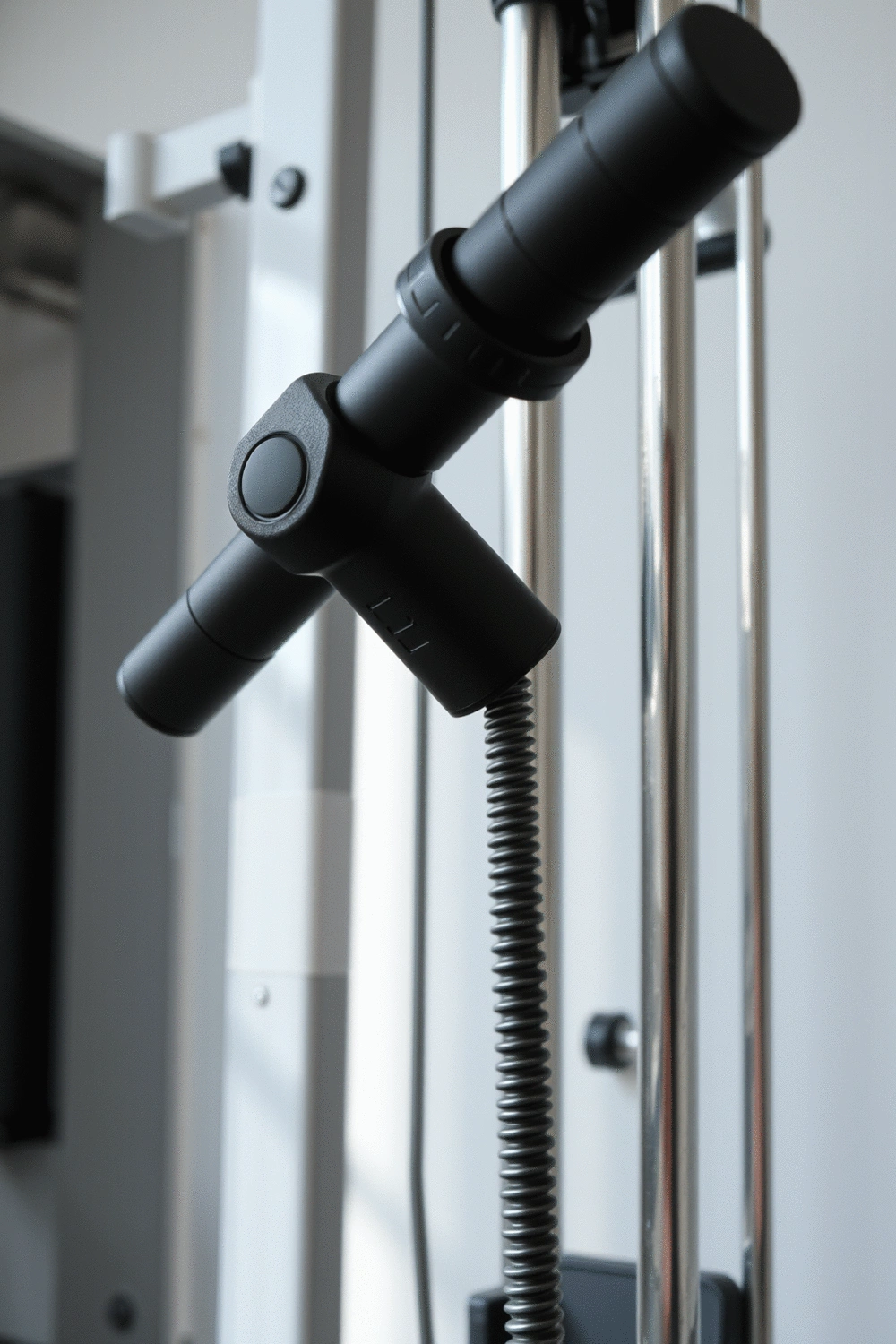
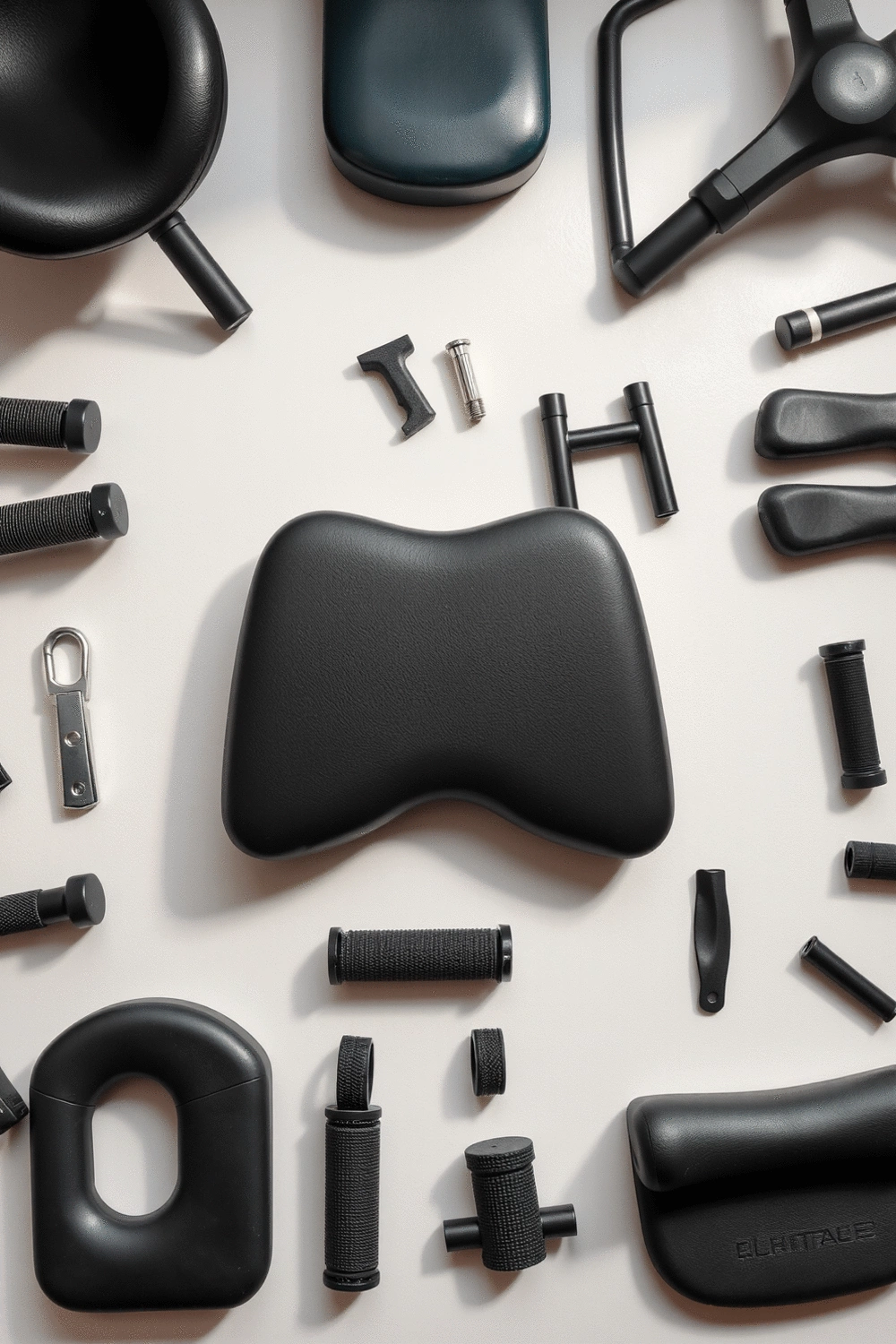
Ergonomics isn't just about comfort; it’s about creating a user experience that promotes safety and effectiveness. Key ergonomic features can include adjustability, which caters to a variety of body types. This means whether you're tall, short, or somewhere in between, you can find equipment that fits you well!
- Adjustable seat heights and angles enhance comfort.
- Grip sizes that cater to different hand sizes improve control.
- Designs that promote proper posture help prevent injuries.
As I often say, the right ergonomic features can transform a workout from feeling like a chore to becoming an enjoyable part of your day!
The Role of User-Centered Design in Equipment Development
In recent years, there’s been a significant shift towards user-centered design in fitness equipment development. By actively involving users in the design process, manufacturers can create products that genuinely meet their needs. This approach leads to equipment that is not only functional but also widely accepted and appreciated!
- User feedback helps identify common pain points and areas for improvement.
- Involving athletes in the testing phase ensures practical functionality.
- Designs that prioritize user experience often result in higher satisfaction rates.
Ultimately, user-centered design can make all the difference in how effective and enjoyable your fitness tools are. It's about creating equipment that truly resonates with the fitness community!
Frequently Asked Questions (FAQs)
- Q: What is the primary difference between biomechanics and ergonomics in equipment design?
- A: Biomechanics focuses on how the body moves and interacts with equipment to ensure natural and efficient motion, while ergonomics concentrates on designing equipment for user comfort, safety, and ease of use, accommodating various body types.
- Q: How does proper equipment design reduce the risk of injury?
- A: Properly designed equipment, based on biomechanical and ergonomic principles, supports natural body movements, ensures correct posture, and minimizes strain on joints, thereby reducing the likelihood of injuries during workouts.
- Q: What is user-centered design and why is it important for fitness equipment?
- A: User-centered design involves incorporating user feedback and testing throughout the design process. It's crucial because it ensures the equipment genuinely meets user needs, enhances satisfaction, and improves overall functionality and acceptance within the fitness community.
- Q: How are emerging technologies like AI and VR impacting fitness equipment?
- A: AI and VR are transforming fitness equipment by introducing features like real-time performance analysis, personalized coaching, immersive virtual workout environments, and smart adjustments, making workouts more interactive, effective, and engaging.
- Q: Why are regulatory standards and certifications important when choosing fitness equipment?
- A: Regulatory standards and certifications ensure that fitness equipment meets specific safety and quality criteria. Adhering to these standards prevents injuries, guarantees reliability, and assures users that the equipment performs as expected, providing peace of mind.
Looking Ahead: The Future of Exercise Equipment Design
As we step into a new era of fitness, it’s exciting to think about how emerging technologies are shaping the future of exercise equipment design. Innovations like artificial intelligence (AI) and virtual reality (VR) are not just buzzwords; they are becoming integral in crafting more effective and engaging fitness tools. Imagine a future where your equipment could analyze your performance in real-time or where VR immerses you in a virtual gym atmosphere while you work out!
Emerging Technologies and Their Impact on Fitness
The integration of smart technology in exercise equipment is revolutionizing how we approach workouts. From intelligent treadmills that adjust their incline based on your body metrics to resistance bands with built-in sensors that track your reps, the possibilities are endless. Here are a few technologies we can expect to see more of:
- AI-driven coaching features that provide real-time feedback
- Virtual reality experiences for immersive workouts
- Wearable devices that sync with your equipment to monitor progress
These advancements will not only enhance user experience but also make fitness more accessible and enjoyable for everyone. At Fitness Fit Space Daily, we are thrilled about these innovations and how they can empower all fitness enthusiasts to achieve their goals! To learn more about how technology is changing workouts, read our article on how tracking workouts boosted beginner success.
Regulatory Standards and Certifications in Equipment Design
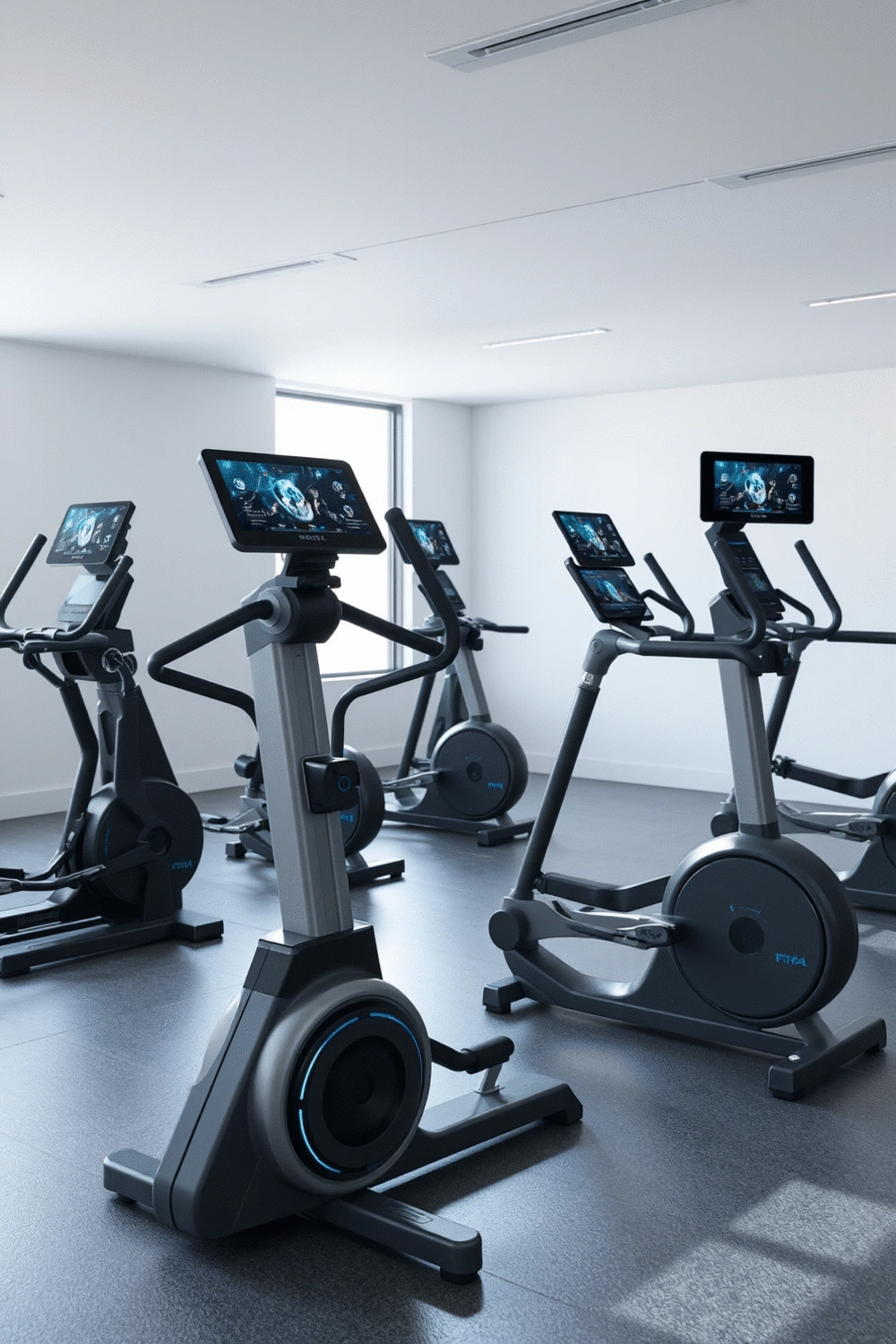
As we move forward, adhering to strict regulatory standards will be crucial for ensuring safety and efficacy in fitness equipment design. These standards help create a baseline for quality, ensuring that all users experience safety and reliability. Here are some key points about regulatory standards:
- Equipment must meet specific safety criteria to prevent injuries
- Certifications can indicate quality and performance levels
- Regulations often evolve with new research and technology
Staying informed about these standards not only helps in choosing the right equipment but also in understanding how design influences your safety during workouts. Remember, proper gear means peace of mind!
The Role of Sports Technology in Shaping Future Equipment
Finally, sports technology is set to play a monumental role in the next generation of fitness equipment. Innovations like biometric feedback will allow users to fine-tune their workouts based on physiological responses. Here are some ways sports technology is influencing equipment design:
- Smart weights that change resistance automatically based on user performance
- Equipment with integrated analytics to track progress over time
- Augmented reality features that guide users through workouts
As a fitness enthusiast, I can’t help but feel excited about the endless possibilities ahead! These advancements will lead to more personalized and effective training experiences, keeping us all motivated as we pursue our fitness goals. For inspiration on achieving your fitness goals, check out 10 steps to creating a sustainable nutrition plan for long-term fitness.
Summarizing the Science Behind Effective Exercise Equipment
Key Takeaways on Design Principles and User Benefits
In summary, the principles of effective equipment design are critical in enhancing user experience and achieving fitness outcomes. From biomechanics to advanced materials and smart technology, every detail matters. I encourage everyone to stay informed about these aspects as they play a pivotal role in your fitness journey!
Encouraging Informed Choices for Fitness Enthusiasts
As we’ve explored, understanding the science behind equipment design can make a significant difference when selecting your fitness tools. Prioritize quality and safety by considering these elements in your decisions. After all, the right equipment can truly elevate your workout experience! If you're curious about specific gear, check out our post on how to choose the best dumbbells for home workouts to get started on making informed choices!
Recap of Key Points
- Understanding biomechanics ensures exercises are performed safely and efficiently, reducing the risk of injury.
- Ergonomically designed equipment caters to various body types and promotes comfort during workouts.
- User-centered design involves incorporating user feedback, leading to equipment that meets practical needs and enhances satisfaction.
- Emerging technologies like AI and VR are transforming how exercise equipment is designed, making workouts more engaging.
- Adhering to regulatory standards ensures safety and quality, which is crucial for effective exercise equipment.